Understanding Día de Muertos and Hanal Pixán near Cancún
Día de Muertos in Cancún is not a Halloween party, but a layered meditation on life and death. Across Mexico, this day of remembrance blends pre-Hispanic beliefs with Catholic rituals, yet on the Yucatán Peninsula the Mayan roots remain unusually visible and shape every experience. When you plan your Day of the Dead Cancún stay, you are stepping into a living tradition rather than a themed festival.
The phrase Día de Muertos translates literally as Day of the Dead, yet locals speak just as often about Hanal Pixán, the Mayan tradition that means “food for the souls.” In this regional version of Día de Muertos, families prepare Hanal Pixán meals, arrange an altar at home and in cemeteries, and treat the returning souls as honored guests who briefly share time with the living. The idea of life and death as a continuum, not an ending, is what gives Day of the Dead ceremonies near Cancún their quiet power.
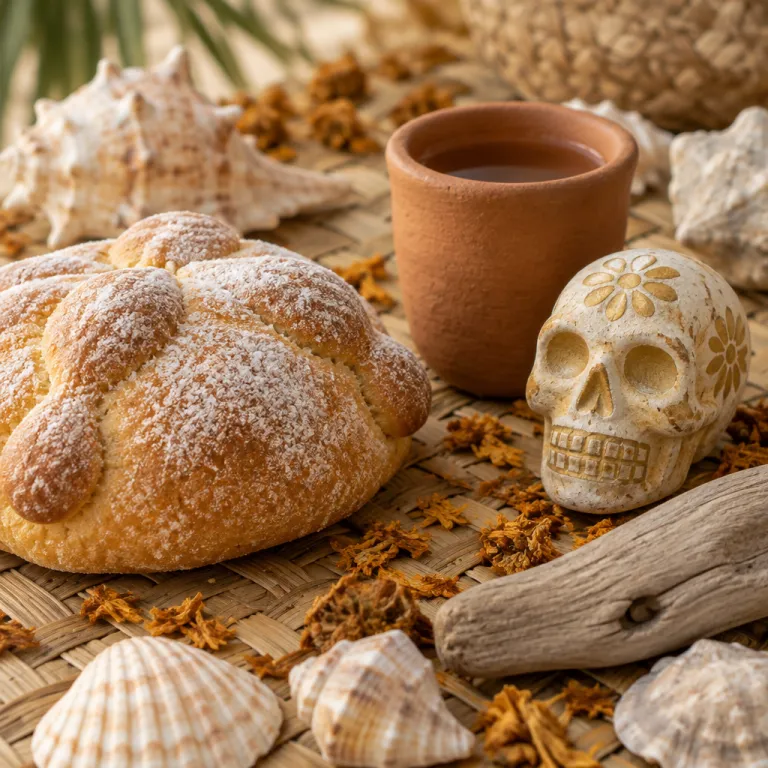
In Cancún and along the Mexican Caribbean, you will see altars in hotel lobbies, airport halls, and downtown plazas, each one a curated snapshot of a family’s memories. A traditional altar for Día de Muertos or Hanal Pixán usually includes marigold flowers, candles, pan de muerto, sugar skulls, incense, and personal belongings of the departed, all arranged to guide the souls back toward the world of the living. When you walk past these altars during late October and early November, pause, read the names, and understand that this is how Mexican culture chooses to celebrate life in the presence of death.
Where to feel the ritual: from downtown Cancún to Mayan towns
For a solo traveler, the most meaningful Día de Muertos moments rarely happen in the Hotel Zone, but in the streets of downtown Cancún and the smaller Mayan communities beyond. In the city center, local families build Día de Muertos altars in schools, markets, and cultural centers, turning everyday sidewalks into corridors of marigold flowers and candlelight. This is where the seasonal life of the city feels less curated and more like an intimate extension of home.
To go deeper into Hanal Pixán, consider a day trip from Cancún toward Valladolid, Mérida, or Mayan villages where Hanal Pixán feasts and cemetery vigils unfold with minimal staging. In Yucatán, for example, Mérida’s Festival de las Ánimas and the Paseo de las Ánimas procession typically take place in the days leading up to November 1 and 2, drawing local families who walk with candles and photos of their loved ones. The municipality of Mérida publishes exact dates and routes each year, and local cultural groups such as Colectivo Cultural Hanal Pixán often collaborate on workshops about altar symbolism and traditional foods. Many travelers pair a visit to community-led projects such as those highlighted in this guide to how Mayan communities are building tourism on their own terms with an evening ceremony, creating a respectful bridge between tourism and tradition.
Along the Riviera Maya, resorts and towns like Playa del Carmen and Puerto Morelos host public events that blend Mexican culture with coastal ease. In Playa del Carmen, for example, you might walk from a contemporary art gallery to a small plaza where children paint sugar skulls while elders arrange marigolds and sugar offerings on a shared altar. One local host described it simply: “We don’t come to mourn; we come so our dead won’t be forgotten.” Whether you stay in Cancún or along the wider Mexican Caribbean, plan your time so that at least one evening is reserved for quietly observing how people here celebrate life in the presence of death.
Resorts, Xcaret, and curated Día de Muertos experiences
Luxury hotels in Cancún have become increasingly thoughtful about how they present Día de Muertos, moving away from costume parties toward curated cultural programming. A well-run hotel will invite local artisans to explain the symbolism of pan de muerto, marigold flowers, and sugar skulls, then guide guests through building a small altar that honors both Mexican tradition and each traveler’s own memories. In recent years, for example, embroidery cooperatives from Mayan communities and artisan groups such as Taller de Alfeñique Cancún have been invited to demonstrate how they create sugar skulls and paper decorations. When you evaluate a property for your Day of the Dead Cancún stay, look for language about collaboration with local communities rather than generic “Halloween” events.
Many travelers pair a beachfront base in Cancún or the Riviera Maya with an evening at Xcaret Park, which is known for its large-scale Festival de Vida y Muerte that explores life and death through theater, music, and gastronomy. At Xcaret, you will encounter Mayan-inspired rituals, regional dances, and stage performances that reinterpret Día de Muertos and Hanal Pixán for a wider audience, yet still reference traditional beliefs about the journey of the soul. If you go, arrive early in late October or on November 1–2, allow time to wander the cemetery replica, and treat each altar and performance as a window into Mexican culture rather than a backdrop for photos.
Closer to your hotel, you may find smaller events that feel more intimate than the spectacle of Xcaret. Some properties organize guided visits to nearby ruins such as those described in this overview of the Mayan ruins already inside Cancún, then return guests to an evening ceremony with candles, music, and pan de muerto tastings. Whether you choose a large festival or a quieter hotel-based ritual, remember that every curated experience still draws from the same core traditions of honoring the dead while choosing to celebrate life.
Booking strategy, respectful behavior, and moving around Cancún
Late October and early November is peak cultural season in Cancún, so luxury rooms with strong Día de Muertos programming sell out quickly. Aim to secure your hotel at least several months ahead, especially if you want a sea-facing suite that allows quiet reflection between ceremonies and the everyday rhythm of the Mexican Caribbean. When comparing properties, read carefully for mentions of Hanal Pixán, Mayan-led workshops, and partnerships with local artisans, as these details signal a deeper commitment to tradition.
Moving between the Hotel Zone, downtown Cancún, and cultural venues is now easier thanks to improved infrastructure such as the Nichupté bridge project, which local authorities have promoted as a way to cut typical airport transfer times that can reach around 60 minutes in heavy traffic to closer to 10–20 minutes in normal conditions once fully operational. Official tourism and government channels periodically update opening phases and traffic expectations, so check recent information before you travel. Faster transfers mean you can land, check in, and still have time to attend an evening altar lighting or a Hanal Pixán dinner without rushing. Use this flexibility to plan a balanced itinerary that includes both structured events and unhurried walks through local neighborhoods where Día de Muertos altars glow quietly on doorsteps.
Respect is non-negotiable when you engage with Day of the Dead rituals in and around Cancún, whether in a hotel lobby or a small cemetery outside Playa del Carmen. Ask before photographing people, avoid touching personal belongings on any altar, and remember that sugar skulls, marigold flowers, and pan de muerto are offerings first and souvenirs only when clearly sold as such. If you carry these principles with you across Cancún, the Riviera Maya, and the wider Mexican Caribbean, your experience of Día de Muertos and Hanal Pixán will feel less like tourism and more like a shared moment in the ongoing conversation between life and death.
FAQ
When should I book a hotel in Cancún for Día de Muertos ?
For Día de Muertos and Hanal Pixán, plan to book your Cancún hotel several months in advance. The main dates are November 1 (Día de Todos los Santos) and November 2 (Día de los Fieles Difuntos), and late October and early November is a busy period, especially at luxury properties that offer cultural programming and easy access to downtown altars. Early booking secures better room categories and more flexible cancellation policies.
Where is the most authentic place to experience Día de Muertos near Cancún ?
Downtown Cancún offers accessible altars and community events, but smaller Mayan towns in Yucatán provide a deeper Hanal Pixán atmosphere. Many travelers combine a Cancún base with day trips to places like Valladolid or Mérida for cemetery vigils and traditional Hanal Pixán meals. This mix allows you to enjoy coastal comfort while engaging with regional traditions respectfully.
How should I behave at altars and cemeteries during Día de Muertos ?
Treat every altar, whether in a hotel or a cemetery, as a family space. Do not touch offerings, personal belongings, or candles, and always ask before taking close-up photos of people or names. Keep your voice low, avoid alcohol in sacred areas, and remember that locals are there to honor their dead, not to perform for visitors.
Is Xcaret Park a good option for experiencing Día de Muertos ?
Xcaret Park offers a large, theatrical interpretation of Día de Muertos and life-and-death themes, with performances, altars, and regional food. It is an engaging introduction to Mexican culture if you balance it with smaller-scale experiences in Cancún or nearby towns. Travelers seeking intimacy should pair Xcaret with quieter Hanal Pixán events in local communities.
Can solo travelers feel safe attending Día de Muertos events in Cancún ?
Solo travelers generally find Cancún and the Riviera Maya manageable during Día de Muertos, especially when staying in reputable hotels and using registered transport. Stick to well-lit areas, follow local advice from your hotel concierge, and join organized visits for late-night cemetery or town events. This approach preserves both safety and the depth of your cultural experience.