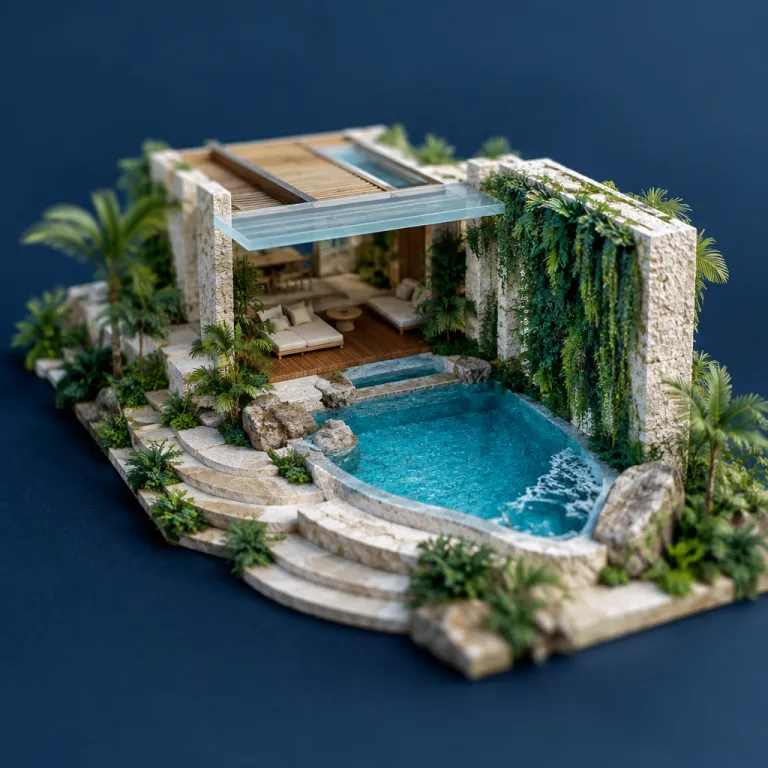
Reading Cancún’s coastline through biophilic resort architecture
Along the Hotel Zone, cancun resort architecture biophilic design is quietly rewriting the skyline. Instead of a single mega resort tower, you now see layered terraces, planted roofs and shaded courtyards that fold nature into every level. This shift in resort design changes how guests feel the moment they step from the city traffic into the lobby.
Biophilic design, the practice of weaving nature into architecture and interior spaces, is not a trend here but a response to the tropical heat and the Caribbean light. In Cancún Mexico, the best luxury properties use double height lobbies, open air circulation and cross ventilation so the sea breeze replaces constant air conditioning. When you book a hotel, look for language about indoor outdoor spaces, native planting and water features, because these details signal a deeper connection with nature rather than cosmetic greenery.
The coastline between Cancún and the Riviera Maya has become a laboratory for architecture that balances resort comfort with ecological responsibility. Some projects step down from the road to the beach in low terraces, so every room keeps a clear view without a wall of glass dominating the sand. Others carve quiet residential style courtyards behind the main pool, where materials warm to the touch, such as limestone and tropical hardwood, create a calmer mood than polished marble.
From tower blocks to landscape led luxury
Early Cancún Mexico resorts often followed a vertical business logic, stacking as many rooms as possible into a single tower. That model maximized the number of room keys with an ocean view, but it also created wind tunnels, harsh reflected light and very little intimacy. New luxury resort design in Cancún leans horizontal instead, spreading architecture across the site to create layered outdoor spaces and quieter corners.
For a solo traveler, this change matters more than any lobby chandelier. Low rise projects with broken up volumes and shaded courtyards soften the tropical heat, so you can walk from your room to the beach without feeling scorched by midday sun. When you compare hotels online, pay attention to site plans and aerial photos, because they reveal whether the resort treats the land as a garden or just a platform for concrete.
Infrastructure is catching up with this softer approach to the coastline. With the new Nichupté bridge, the transfer from the airport to the Hotel Zone can drop dramatically, and you can read more about this shift in detailed coverage of Cancún’s changing access routes. Faster access means architects can push resort architecture deeper into the mangrove edges and lagoon side, where biophilic design strategies such as elevated walkways and permeable materials protect sensitive ecosystems.
How Mayan references shape contemporary resort design
In Cancún resort architecture, biophilic design often starts with the ground itself. Many architects look to Mayan sites like Tulum and Cobá, where stone platforms, courtyards and framed views choreograph how light and shadow move through the day. The best luxury resorts translate those principles into modern spaces without copying glyphs onto every wall.
Look for stepped stone volumes, thick walls and deep overhangs that echo ancient temples while managing tropical heat in a very practical way. These elements create a natural connection with nature by filtering light, catching breezes and forming shaded courtyards where guests feel sheltered yet still outdoors. When a hotel uses local limestone, chukum plaster and materials warm to the eye and hand, the architecture belongs to Mexico rather than any generic beach destination.
Designers also borrow from Mayan cosmology in subtle ways, aligning pools or circulation axes with sunrise and sunset to dramatize the Caribbean light. A double height lobby that frames the horizon can feel like a contemporary temple, turning your arrival into a small ritual rather than a simple check in. For a deeper dive into how regional history shapes resort design, explore this analysis of how design defines Cancún’s new hotels.
Light, shade and the choreography of comfort
In Cancún Mexico, light is both the main attraction and the main design challenge. Biophilic design here is less about dramatic green walls and more about how architecture filters, reflects and softens the Caribbean sun. When you study photos of a resort, notice whether outdoor walkways, terraces and pool decks offer layered shade rather than only exposed loungers.
Double height volumes, perforated screens and deep balconies create a gradient between inside and outside that your body registers immediately. You move from full sun at the beach to dappled shade under pergolas, then into cooler interior spaces where cross ventilation and ceiling fans reduce the need for aggressive air conditioning. This choreography of light and air is what makes guests feel relaxed instead of drained after a day on the sand.
Inside the room, thoughtful resort design uses orientation and materials to keep temperatures stable. Stone floors, ceiling fans and operable windows facing the prevailing breeze can be more effective than a constantly humming unit, especially in shoulder seasons. When booking, look for mentions of natural ventilation, shaded courtyards and energy efficient architecture, because these details signal a hotel that understands both comfort and climate.
From Mexico City studios to the Caribbean shore
Many of Cancún’s most interesting projects come from architecture and interior design studios based in Mexico City. These teams bring an urban sensitivity to density, circulation and mixed use spaces, then adapt it to the slower rhythm of the beach. The result is a new generation of resorts that feel both cosmopolitan and deeply rooted in the local landscape.
Studios that usually work on residential towers or business hotels in the capital now experiment with low rise clusters, open air corridors and planted roofs on the Caribbean coast. Their experience with compact city apartments often translates into smarter room layouts, where every square metre works hard without feeling cramped. You will notice built in benches, generous storage and sliding panels that let you reconfigure the room from a bright workspace to a cocooned sleeping area.
This cross pollination between Mexico City and Cancún Mexico also elevates public spaces. Lobbies double as co working lounges, pool decks morph into evening event terraces and shaded courtyards host small cultural programs that connect guests with local artists. When you see a resort crediting a Mexico City firm with a strong residential portfolio, it is often a sign that the property will balance luxury with livable, human scale design.
How to read photos and plans when booking your stay
Most travelers meet cancun resort architecture biophilic design through a booking engine thumbnail. To read beyond the marketing, start with the site plan or any aerial view you can find. If the resort massing hugs the beach in a single continuous wall, expect more crowding and less nuanced connection with nature.
Next, study how many shaded courtyards, gardens and intermediate spaces appear between the lobby, room blocks and beach. Properties that show multiple pools, planted walkways and small pavilions usually offer more varied experiences than a single massive deck. Notice whether materials warm in tone, such as wood and stone, dominate the photos, or whether reflective glass and bright white plaster overwhelm the palette.
Finally, read the room descriptions with an architect’s eye. Phrases like double height ceilings, cross ventilation, private plunge pools and indoor outdoor showers often indicate a deeper commitment to biophilic design. For more context on how architecture shapes the stay, you can consult this in depth guide on how design defines Cancún’s new hotels, then apply the same lens to any property you are considering.
Choosing the right biophilic resort for a solo stay
For a solo explorer, the right resort architecture can make Cancún feel like a private retreat rather than a convention floor. Start by deciding how close you want to be to the city energy, because properties near the nightlife core trade some tranquility for quick access to restaurants and bars. Farther north or south, resorts lean into nature, with longer walks between spaces and darker skies at night.
Biophilic design details become your allies when traveling alone. Look for resorts where circulation paths are open yet well lit, where shaded courtyards and lounges offer semi public zones that feel safe for reading or working without the intensity of a packed pool bar. When materials warm in color and texture, and when planting feels lush but maintained, the whole environment supports a calmer state of mind.
Pay attention to how the hotel describes its relationship with the beach and surrounding ecosystems. Properties that speak about dune restoration, native vegetation and low impact lighting usually extend that care to guest comfort and service. In the end, cancun resort architecture biophilic design is not only about how a building looks in photos, but about how you breathe, sleep and move through Mexico’s Caribbean light from sunrise swim to last rooftop drink.
Key figures shaping Cancún’s design forward resorts
- According to the Secretaría de Turismo de México, Cancún and the Riviera Maya consistently rank among the top Mexican destinations by international arrivals, which drives continuous investment in new luxury resort projects along the coast.
- Data from the World Green Building Council indicates that biophilic design strategies, such as increased natural light and views of nature, can improve reported well being and productivity by up to 8 percent, a finding that many Mexican resort developers now cite when justifying landscape led masterplans.
- Studies referenced by the International WELL Building Institute show that access to natural light and views can reduce stress markers in guests, which aligns with the growing emphasis on double height lobbies, open air corridors and lagoon facing relaxation spaces in Cancún resorts.
- Reports from Mexico’s environmental authorities highlight that coastal developments incorporating preserved mangrove areas and permeable surfaces can significantly reduce flood risk during storm events, encouraging architects in Cancún Mexico to integrate elevated walkways and shaded courtyards into their resort design.
FAQ about biophilic resort architecture in Cancún
What does biophilic design mean in a Cancún resort context ?
In Cancún, biophilic design means using natural materials, native planting, water features and open air circulation to create a strong connection with nature. Resorts apply it through shaded courtyards, cross ventilated corridors and rooms that open to gardens or the sea. The goal is to improve comfort, reduce reliance on mechanical cooling and give guests a stronger sense of place.
How can I tell if a hotel really uses biophilic design or just marketing language ?
Look for concrete architectural details rather than vague wellness claims. Genuine biophilic resorts mention specific elements such as double height lobbies, planted roofs, preserved dunes, native vegetation and natural ventilation strategies. Photos should show layered shade, varied outdoor spaces and materials that feel local to Mexico, not only glossy glass towers.
Are biophilic resorts more expensive than traditional properties in Cancún ?
Many design forward resorts sit in the luxury segment, so nightly rates can be higher than older tower style hotels. However, you can often find competitive prices in shoulder seasons or by choosing rooms without a direct ocean view. Some mid range properties also adopt biophilic principles, especially in public spaces, offering a more accessible way to experience this type of architecture.
Does biophilic resort architecture really change the guest experience ?
Yes, thoughtful architecture affects temperature, noise levels, privacy and how you move through the property. Shaded walkways, cross breezes and quiet courtyards make it easier to spend time outdoors without fatigue from tropical heat. Guests often report better sleep, more relaxation and a stronger memory of the place when the design keeps them visually and physically connected to nature.
Is staying in a biophilic resort better for the local environment ?
When done well, biophilic design can reduce energy use, protect dunes and mangroves and support native biodiversity. Resorts that prioritize permeable surfaces, native planting and low impact lighting usually have a lighter footprint than fully sealed, heavily air conditioned towers. Always check whether the hotel publishes environmental certifications or partnerships with local conservation groups to back up its design claims.