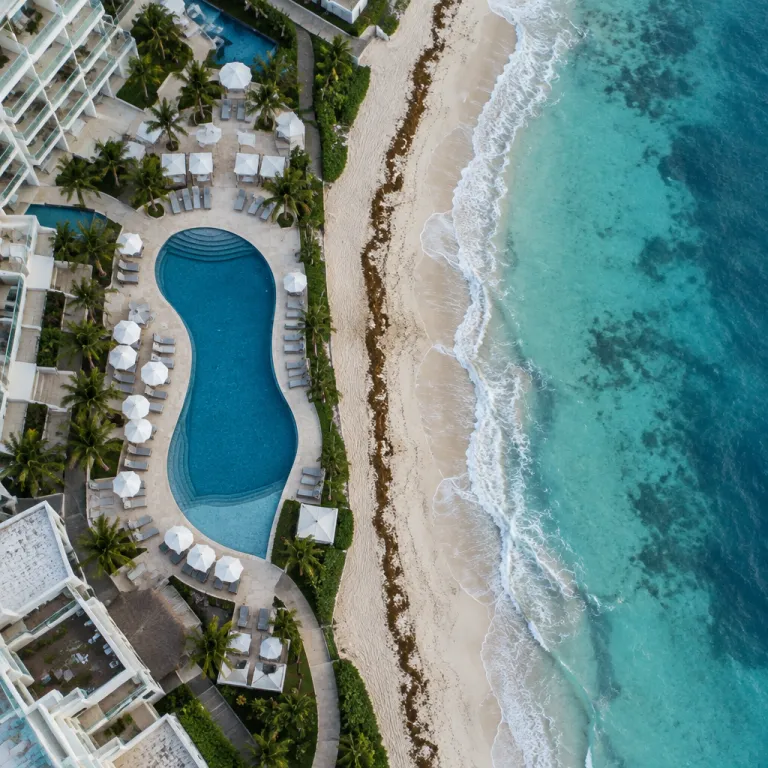
Understanding Cancun beach seaweed and luxury travel expectations
Cancun beach seaweed, mainly formed by drifting sargassum, has reshaped how discerning travelers plan coastal stays along the Mexican Caribbean. Warm water, nutrient input, and shifting currents carry sargassum to shore, so luxury guests now evaluate beaches and hotel services as carefully as suite categories. On a premium booking website for Cancun, you should expect transparent information about current beach conditions, daily clean-up practices, and the best alternatives when the shoreline is not perfectly clear.
The Mexican Caribbean coastline around Cancún, from the hotel zone down to Riviera Maya, experiences a recurring sargassum season that usually peaks between late spring and early autumn. During this season Cancún beaches can change from pristine turquoise to brown tinged overnight, which makes it essential to check real time updates before confirming a high end stay. When you read property descriptions, look for precise notes on beach conditions, proximity to north facing bays, and whether the hotel collaborates with local government and tourism industry teams on daily removal.
Not every beach in Cancún is affected equally by sargassum, and that nuance is where a curated luxury and premium hotel booking website becomes invaluable. North or bay facing beaches often remain more clear because coastal currents push seaweed away, while exposed stretches of playa on the eastern side can accumulate thick mats. A serious platform will map these differences along the Mexican Caribbean, helping you compare beaches sargassum exposure in Cancún, Riviera Maya, and nearby islands before you choose your preferred beach or suite category.
How seasons, currents, and months shape beach conditions
Seaweed patterns around Cancún follow a seasonal rhythm, but the exact conditions change each year with ocean currents and storms. Travelers often ask whether February or October will bring the best beach conditions, and the honest answer is that you must combine historical patterns with live monitoring. Environmental authorities describe a broad sargassum season from late spring into autumn, yet isolated arrivals can still appear in November, February, or during unusual weather.
For a luxury stay, think of the calendar in three broad windows rather than rigid dates for the season Cancún experiences. From November February, many beaches in Cancún and along Riviera Maya tend to be clearer, so premium resorts often highlight calm turquoise water and minimal sargassum on their pages. During June July and into early autumn, exposed beaches may see heavier landings, which makes it vital to check real time beach conditions and conditions sargassum reports before committing to a specific stretch of sand.
High end booking platforms increasingly integrate live webcams, satellite based sargassum maps, and hotel supplied photos so you can read the beach story almost in real time. When you evaluate a property in the hotel zone, Puerto Morelos, Playa del Carmen, or further along Riviera Maya, look for daily updates that show whether the beach is clear, lightly affected, or undergoing active clean up. If you are planning a stay focused on swimming and long walks on the beach, prioritize flexible dates in February or the cooler months around November February, when the probability of heavy sargassum is statistically lower.
Choosing the right coastline: hotel zone, Riviera Maya, and island escapes
Where you stay along the Mexican Caribbean coast can matter as much as when you travel, especially when Cancún beach seaweed is part of your planning. The main hotel zone offers iconic wide beaches, but some segments face directly into the open Caribbean, which can increase exposure during intense sargassum season peaks. A refined booking website should distinguish between more sheltered playas and fully exposed stretches, guiding you toward the best match for your expectations.
North facing areas such as Playa Mujeres and Isla Mujeres often enjoy clearer water when sargassum hits the eastern beaches of Cancún. On Isla Mujeres, Playa Norte on the norte Isla side is frequently praised for its calm, shallow sea and reduced seaweed, making it a strong option if you want to avoid sargassum without sacrificing luxury. When browsing a curated collection of serene Caribbean luxury on a private peninsula, such as the properties highlighted in this guide to elegant Mexico hotels with swim up rooms, pay attention to how each resort describes its orientation to prevailing currents.
Further south, Riviera Maya, Puerto Morelos, and Playa del Carmen offer a mix of sheltered coves and open beaches, so conditions can vary even within a few kilometres. A sophisticated booking engine will let you filter by beach conditions, highlight which playas are currently clear, and show how resorts manage daily clean up when sargassum arrives. If your priority is to avoid sargassum as much as possible, consider splitting your stay between Cancún’s hotel zone and an island such as Isla Mujeres, giving you flexibility if currents change mid holiday.
How luxury resorts manage sargassum and protect the guest experience
Premium resorts in Cancún and along Riviera Maya have transformed their operations to respond quickly when sargassum reaches the shore. Many properties now coordinate with federal environment authorities, local government, and specialized sargassum monitoring networks to anticipate landings and organize early morning clean up. On a high quality booking website, you should see clear descriptions of these efforts, not vague promises that the beach is always perfect.
Typical responses include mechanical raking at dawn, manual collection teams, and in some cases floating barriers offshore that redirect seaweed before it reaches the beach. These measures aim to reset beach conditions daily, reduce odour, and keep the water as clear as possible, although rough Caribbean currents can limit the effectiveness of nets during storms. When you read hotel descriptions, look for specific mentions of tractors, clean up teams, and whether the resort recycles collected sargassum into fertilizer or other sustainable projects.
Luxury travellers should also pay attention to how properties design alternatives when the beach is not at its best. Infinity pools facing the Mexican Caribbean, overwater decks, and swim up suites allow you to enjoy the sea views even when Cancun beach seaweed is present on the sand. A thoughtful booking platform will highlight these features, explain how each resort communicates real time conditions sargassum to guests, and suggest which playas or nearby islands may offer clearer beaches sargassum free on any given day.
Planning premium stays around culture, families, and flexible beach days
Even when Cancún beaches face challenging sargassum season peaks, the region offers a rich blend of culture, gastronomy, and inland experiences that justify a luxury stay. Many high end travellers now design itineraries that balance flexible beach days with curated excursions to sites such as Chichén Itzá or cenote networks inland from Playa del Carmen. By doing so, you reduce the pressure on any single beach day and gain more value from your premium hotel booking.
Families and multigenerational groups especially benefit from this diversified approach, since different ages may prioritise pools, spas, or cultural outings over constant time on the beach. When you browse a dedicated guide to a multigenerational Cancún resort for toddlers, teens, and grandparents, notice how the best properties offer kids clubs, adult only pools, and shaded lounges that remain appealing regardless of beach conditions. A sophisticated booking website should let you filter for these amenities, while also flagging which months, such as February or parts of November February, historically bring clearer water.
For couples or small groups focused on wellness and privacy, consider splitting time between Cancún’s hotel zone and quieter enclaves near Puerto Morelos or Riviera Maya. This strategy allows you to react to live beach conditions, moving between playas that are currently clear and others where resorts excel at daily clean up. When you read hotel profiles, look for flexible cancellation policies, transparent updates about Cancun beach seaweed, and concierge teams ready to suggest last minute day trips if currents suddenly change.
Using real time tools and expert data on a luxury booking website
Modern luxury and premium hotel booking platforms increasingly behave like live information hubs rather than static catalogues. For Cancún and the wider Mexican Caribbean, that means integrating real time beach cameras, satellite based sargassum trackers, and daily reports from the hotel zone, Puerto Morelos, Playa del Carmen, and Riviera Maya. When you plan a high value stay, treat these tools as essential, just like room photos or spa menus.
Before you confirm a reservation, check whether the website links to live webcams for your chosen beach, or at least provides updated photos from the last few days. Some platforms now summarise conditions sargassum for each property, indicating whether the beach is clear, lightly affected, or experiencing heavy accumulations that might limit swimming. You should also read how the hotel communicates with guests, for example through daily emails or app notifications that explain beach conditions and any alternative activities.
Reliable platforms will also reference official data about the broader season Cancún is experiencing, including projected sargassum volumes and the effectiveness of new barriers or clean up methods. When you compare options, prioritise hotels and playas that combine strong operational responses with honest communication about Cancun beach seaweed, rather than those that promise perfection regardless of currents or season. This approach helps you avoid sargassum surprises, align expectations with reality, and still enjoy the best of the Caribbean coast in comfort.
Beachfront gems to prioritise when seaweed affects Cancún
Some areas around Cancún consistently offer better odds of clear water during challenging sargassum season phases. North facing Isla Mujeres, especially Playa Norte on the sheltered norte Isla side, often remains swimmable when open Caribbean beaches accumulate seaweed. Playa Mujeres on the mainland, set slightly away from the most exposed hotel zone strip, also benefits from its orientation and careful management by upscale resorts.
Within the hotel zone itself, certain coves and bays enjoy partial protection from currents, so beach conditions can differ significantly even between neighbouring properties. A refined booking website should map these micro differences, highlighting beachfront gems where the sand stays relatively clear or where resorts maintain exceptional clean up standards. When you read property pages, look for repeated guest feedback about consistently swimmable water, not just marketing claims about a beautiful beach.
Further south, selected stretches near Puerto Morelos and Riviera Maya can offer calmer seas behind offshore reefs, which sometimes reduce the amount of sargassum reaching the shore. Combining a stay in these areas with time on Isla Mujeres or Playa Mujeres gives you multiple options if currents shift during your holiday. For travellers who value certainty, choosing properties with strong pools, overwater decks, and attentive service ensures that even on days when Cancun beach seaweed is present, your overall experience remains firmly in the luxury category.
Key figures on Cancún beach seaweed and coastal management
- Environmental officials in Quintana Roo reported that more than 520,000 tons of sargassum were removed from Mexican Caribbean beaches in a single intense season several years ago, illustrating the scale of clean up operations required to protect tourism. These numbers are documented in state government bulletins and regional monitoring summaries that track annual volumes.
- Subsequent years saw lower but still substantial volumes, with official Mexican government data indicating around 85,000 tons removed in one recent season, showing that sargassum has become a recurring management challenge rather than a one time event. Public reports from the navy and local agencies now publish regular updates on these totals.
- Projections from local authorities suggest that current sargassum quantities along the Cancún and Riviera Maya coastline may surpass previous totals, which is why many luxury resorts now invest in floating barriers, tractors, and expanded clean up teams. These forecasts draw on satellite observations from NASA and university led research on Atlantic sargassum blooms.
- Monitoring networks track sargassum mats across thousands of square kilometres of the Atlantic and Caribbean, allowing hotel operators in Cancún, Puerto Morelos, and Playa del Carmen to prepare beach conditions responses several days before landfall. Regional initiatives publish maps that guests can read alongside hotel updates to understand likely conditions.
FAQ about Cancún beach seaweed for luxury hotel guests
What causes Cancún’s seaweed problem ?
Warm water, nutrient input, and regional currents carry sargassum to shore. These factors combine in the Atlantic and Caribbean, forming large mats that drift toward the Mexican Caribbean and sometimes accumulate on Cancún beaches. Climate variability and changing ocean patterns appear to influence the intensity of each season.
Is there seaweed in Cancún now ?
Yes; seasonal influx is often ongoing during the main sargassum season, especially on east facing beaches. However, conditions change quickly, so you should check real time webcams, hotel updates, and regional monitoring maps before finalising a booking. Luxury resorts often share daily photos or messages about current beach conditions with confirmed guests.
Which Cancún beaches stay clear of seaweed ?
Bay facing or north facing beaches often stay clearer during high influx. Areas such as Playa Mujeres, Isla Mujeres, and especially Playa Norte on the norte Isla side frequently report better swimming conditions than fully exposed hotel zone segments. That said, you should still read recent guest reviews and hotel updates, because currents can shift from week to week.
How do luxury resorts in Cancún manage sargassum ?
High end properties typically combine early morning mechanical raking, manual collection, and in some cases offshore barriers to reduce the amount of sargassum reaching the sand. Many also coordinate with local government and environmental authorities to follow best practices that protect both guests and marine ecosystems. On premium booking websites, look for detailed explanations of these measures rather than generic assurances.
When is the best time to visit Cancún to avoid sargassum ?
Historically, the months from November February have brought fewer and lighter sargassum arrivals to many Cancún and Riviera Maya beaches. However, patterns vary, so you should combine flexible travel dates with real time monitoring tools offered by serious booking platforms. If avoiding seaweed is a top priority, consider focusing on February or early spring and choosing north facing beaches such as Playa Mujeres or Isla Mujeres.