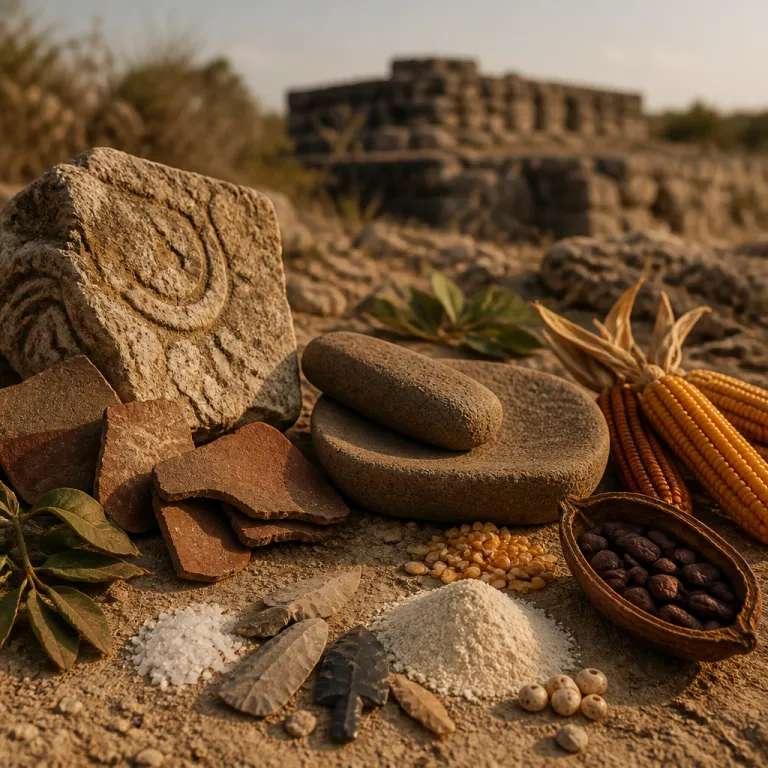
Why mayan ruins in Cancun belong in a luxury hotel stay
Most travelers planning mayan ruins Cancun experiences focus on Chichen Itza or Tulum ruins, then spend long hours on a bus. Yet three archaeological sites already sit inside Cancún itself, quietly rewriting what a luxury stay in Quintana Roo can look like. When you pair a high end resort with these nearby ruins, you gain rare access to ancient Maya history without sacrificing pool time or privacy.
El Rey, El Meco and San Miguelito are compact archaeological sites, but each archaeological site reveals a different layer of coastal trade culture and ancient Maya daily life. These ruins in Cancún form a triangle between the Hotel Zone, Puerto Juárez and the Museo Maya de Cancún, all within short taxi rides that rarely exceed a modest fare in USD. For solo travelers who value flexibility, this means you can visit mayan ruins between spa appointments, rather than committing to a full day group tour.
Luxury hotels in the Hotel Zone increasingly curate private ruins tour options, yet you rarely need a formal tour Cancún booking to appreciate these structures. A self guided walk through the ruins of El Rey or San Miguelito can be as meditative as any cenote swim, especially early in the morning. Think of these mayan ruins as your cultural lounge, where iguanas replace daybeds and the soundtrack is wind in the palms rather than a poolside DJ.
El Rey: 47 structures hidden between sun loungers and surf
El Rey sits at kilometer 18 of the Hotel Zone, a mayan ruins Cancún landmark that many guests unknowingly pass on their way to beach clubs. The archaeological site holds 47 structures, making it one of the densest ruins sites embedded in any Mexican resort corridor. For a solo explorer staying nearby, this is the easiest place to visit mayan heritage before breakfast and still be back for a late morning swim.
Entry usually costs the equivalent of a few USD, far less than a typical Chichen Itza tour USD package from Cancún. Paths wind between low stone platforms and temples, where resident iguanas sun themselves on ancient maya masonry and pose for photos with surprising patience. Informational signage explains how El Rey functioned as a post Classic trade and fishing community, echoing the dataset statement that "El Rey was a major Mayan trade and fishing community."
Walking the ruins here, you sense how this coastal site once linked the wider Yucatán Peninsula with inland centers like Chichen Itza and Coba ruins through maritime routes. Unlike the towering pyramid at El Meco or the iconic ruins Chichen complex, El Rey’s structures sit closer to eye level, inviting slow observation rather than dramatic selfies. If you are planning a longer ruins tour to Chichen Itza without the bus crowds, read the detailed guide on how to visit Chichen Itza independently from Cancún and use El Rey as your warm up archaeological site.
San Miguelito and Museo Maya de Cancún: context, shade and quiet paths
San Miguelito hides behind the glass and concrete of Museo Maya de Cancún, yet it may be the most elegant mayan ruins Cancún experience for design minded travelers. A combined ticket grants access to both the indoor museum and the outdoor ruins, offering exceptional value compared with many larger archaeological sites on the Riviera Maya. Inside, cool galleries frame jade, ceramics and carved stone from archaeological sites across Quintana Roo and the wider Yucatán Peninsula, giving context before you step into the jungle.
Outside, shaded paths lead past clusters of maya ruins where the forest has been carefully trimmed rather than cleared. You move between small plazas, temple platforms and residential structures, each archaeological site fragment whispering how ancient maya families lived beside the lagoon long before Cancún adventures became a marketing phrase. The scale feels intimate, closer to a private garden than a monumental pyramid complex like Coba or Tulum ruins, which suits solo travelers who prefer reflection over crowds.
Because San Miguelito sits in the Hotel Zone, you can pair a morning museum visit with an afternoon tasting menu back at your resort, without the fatigue of a long group tour. The museum also highlights contemporary community projects across Quintana Roo, which connects neatly with the story of how local communities shape tourism today. For a deeper look at that modern side of maya culture, the feature on how Mayan communities are building tourism on their own terms is essential reading before you plan any ruins tour beyond Cancún.
El Meco: the quiet pyramid facing Isla Mujeres
North of the Hotel Zone, near Puerto Juárez, El Meco offers the most dramatic single pyramid among the mayan ruins Cancún holds within city limits. The main pyramid rises about 12 meters, making it the tallest of the three local ruins and a striking counterpoint to the flat lagoon behind many resorts. From the upper platforms, views stretch toward Isla Mujeres and along the coast of Quintana Roo, hinting at the maritime routes that once linked these archaeological sites.
El Meco receives far fewer visitors than Chichen Itza or Tulum ruins, so the atmosphere feels almost private, especially if you arrive before 10 am. You wander between plazas and temple structures, noticing how the layout faces the sea rather than the inland jungle, a reminder that this archaeological site anchored coastal trade rather than serving as a purely ceremonial center like some ruins Chichen complexes. For many solo travelers, this quiet intensity rivals any larger ruins tour, without the pressure of a fixed group schedule or the noise of loudspeakers.
Because El Meco sits closer to downtown Cancún than to the main resort strip, it pairs well with a morning ferry to Isla Mujeres or an afternoon in local seafood restaurants. A short taxi ride in either direction keeps logistics simple and costs manageable in USD, especially compared with a full day itza tour from the Riviera Maya. If you are building a personal tour Cancún circuit of maya ruins, El Meco is the place where the ancient maya coastline feels most tangible.
Planning your own mayan ruins circuit from a luxury hotel base
Designing a self guided mayan ruins Cancún circuit from a premium hotel is surprisingly straightforward. Public buses run the length of the Hotel Zone, stopping near El Rey and Museo Maya de Cancún, while taxis or ride hailing services connect you to El Meco and downtown archaeological sites. Aim to reach each ruins site before 10 am, when temperatures are softer and light on the stone structures is at its most photogenic.
Pack light for any ruins tour, especially now that security has tightened at Mexican archaeological sites after incidents at Chichen Itza and Tulum. Expect metal detectors and manual bag inspections at major archaeological sites, and leave drones, large tripods and unnecessary valuables in your hotel safe to streamline entry. Comfortable shoes, a refillable water bottle, high SPF sunscreen and insect repellent are non negotiable for walking among maya ruins, even when the path from your suite to the lobby feels short.
For guests staying in the southern Hotel Zone, the new Nichupté bridge has transformed transfers between airport, resorts and ruins Cancún access points. Travel time from the airport to many properties has dropped dramatically, which makes a quick archaeological site visit on arrival day more realistic than ever ; details sit in the dedicated guide to the Nichupté bridge and faster airport transfers. With smart timing, you can swim in a cenote on the Riviera Maya one day, then spend the next morning tracing ancient maya trade routes at El Rey, San Miguelito and El Meco before returning to your poolside cabana.
How coastal ruins complement Chichen Itza, Coba and Tulum from Cancún
Seeing the mayan ruins Cancún shelters within its city limits changes how you experience the region’s headline sites. After walking the modest structures of El Rey and San Miguelito, the scale of Chichen Itza’s pyramid or the cliff top Tulum ruins feels less abstract and more connected to a living trade network. You start to read each archaeological site not as an isolated monument, but as one node in a chain that once linked the Yucatán Peninsula by sea and jungle paths.
From a luxury hotel base, you can layer your cultural days to balance energy and depth. Begin with the local ruins Cancún offers, then graduate to a full day ruins tour to Chichen Itza or Coba ruins, ideally with time for a cenote swim between archaeological sites. Many high end concierges can arrange a private itza tour or custom tour Cancún itinerary priced in USD, but independent travelers often prefer to structure their own tour USD budget using a mix of rental cars and trusted drivers.
What matters is the sequence ; local maya ruins first, then the icons. When you finally stand before the main pyramid at Chichen Itza or climb the structures at Coba, you will recognize architectural echoes of El Rey and El Meco, and the coastal breeze at Tulum will recall San Miguelito’s palms. In that moment, the ancient maya world stops being a backdrop to Cancún adventures and becomes the quiet, enduring thread that ties your entire Riviera Maya journey together.
FAQ
Are there really Mayan ruins inside Cancún’s Hotel Zone ?
Yes, two archaeological sites sit directly in the Hotel Zone : El Rey near kilometer 18 and San Miguelito behind Museo Maya de Cancún. Both ruins are small compared with Chichen Itza, but they offer authentic ancient maya structures within a short walk or bus ride of many luxury resorts. For travelers who want culture without a long day trip, these mayan ruins are ideal.
How much time do I need to visit El Rey, El Meco and San Miguelito ?
Most visitors spend 45 to 60 minutes at El Rey, about an hour at San Miguelito including the museum and roughly 60 to 90 minutes at El Meco. That means you can comfortably visit all three ruins in one relaxed day from a Cancún hotel, with time for lunch and a swim. Solo travelers often spread them across two mornings to enjoy each archaeological site in cooler light.
Is it safe to visit these archaeological sites without a guided tour ?
Visiting the mayan ruins in Cancún independently is generally straightforward and safe during daylight hours. Paths are clearly marked, staff from the National Institute of Anthropology and History are present and new security measures such as metal detectors and bag checks are in place. As always, carry only what you need, keep valuables secure and use licensed taxis or reputable transport arranged by your hotel.
How do these local ruins compare with Chichen Itza or Tulum ?
El Rey, El Meco and San Miguelito are smaller and less monumental than Chichen Itza, Coba or Tulum ruins, but they feel more intimate and far less crowded. You will not find a pyramid as tall as those at major Yucatán Peninsula sites, yet you gain a clearer sense of everyday coastal life. Many travelers use the Cancún ruins as a gentle introduction before committing to a full day ruins tour inland.
What should I wear and bring when visiting the ruins in Cancún ?
Wear breathable clothing, a hat and comfortable closed shoes suitable for uneven paths. Bring water, sunscreen, insect repellent and a small amount of cash in USD or pesos for entry fees and tips. Large bags, drones and bulky camera gear are best left at the hotel, as security at archaeological sites has become stricter.