Why coral restoration in Cancun belongs on a luxury dive itinerary
On the flight into Cancun, the Mesoamerican Barrier Reef looks like a pale ribbon just offshore. That same coral reef system, stretching more than 1 000 km along the coast, is now a frontline for marine conservation and for travelers who want their diving to mean something. For a solo explorer choosing a premium hotel, taking part in coral restoration dives near Cancun can turn a polished resort stay into a genuinely purposeful journey.
The reefs off Cancun, Isla Mujeres, Puerto Morelos and down the Riviera Maya have lost significant coral cover to warming waters, hurricanes and a fast spreading condition known as stony coral tissue loss disease (SCTLD). Regional monitoring programs report that some sites have seen coral cover decline by more than half in recent decades, with SCTLD affecting over 20 hard coral species. Luxury travelers who once came only for effortless scuba diving now increasingly ask how their dives and snorkel sessions can support conservation rather than stress fragile coral reefs. That shift is reshaping how high end properties curate reef diving, snorkeling in Cancun and even their spa menus and wellness offerings.
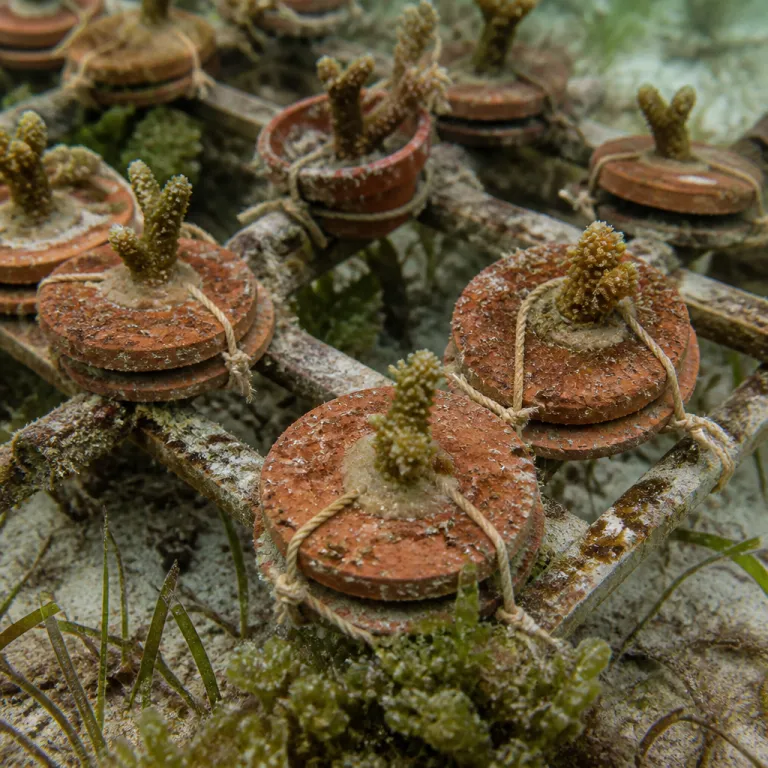
Instead of only booking the usual two tank dives, discerning divers now look for reef restoration programs run with marine biologists and serious data collection. Coral rehabilitation experiences around Cancun typically combine a briefing on reef ecology, a supervised dive on coral nurseries and sometimes hands on work with coral fragments. When you surface from these dives, the memory is less about how crystal clear the water was and more about the coral colony you helped secure to a restoration platform.
From hotel lobby to coral nursery: how restoration dives actually work
At the luxury end of Cancun’s Hotel Zone, concierges now quietly keep a shortlist of trusted operators for conservation focused diving. Many partner with organizations such as GVI Mexico, Centro Ecológico Akumal and the Cozumel Coral Reef Restoration Program, which run structured volunteer dives focused on coral planting and reef monitoring. These initiatives are documented on the organizations’ own project pages and annual reports, which outline their nursery sites, training standards and recent coral outplanting numbers. Your hotel’s role is to choreograph the day so that a conservation focused dive feels as seamless as a private airport transfer.
Most restoration dives require at least a PADI Open Water certification, because you will be working around delicate coral nurseries in mild current. If you hold an Advanced Open Water certification, you may be invited on deeper reef diving or even carefully managed wreck diving that doubles as artificial reef habitat. Either way, expect a detailed briefing on coral reef health, the specific coral species you will handle and the monitoring equipment used to track marine life recovery.
Transfer times vary by site; some nurseries lie just off Cancun, while others sit near Puerto Morelos or along quieter stretches of the Riviera Maya. A typical schedule includes one training session in open water near the boat, followed by one or two dives on the coral nurseries and adjacent natural reefs. Between dives, instructors explain how these structures relieve pressure on popular sites like Cozumel and how your data on fish counts and coral growth feeds into long term conservation strategies, which you can later read about while planning a self guided visit to the Mayan ruins using a resource such as this guide to visiting Chichén Itzá on your own terms.
Choosing the right luxury base for reef friendly diving in Cancun
Not every five star property in Cancun is equally serious about conservation, even if the marketing suggests otherwise. When you evaluate hotels on a site like stay-in-cancun.com, look beyond the infinity pool and ask how the property integrates coral restoration oriented diving into its activity program. Resorts such as NIZUC and Paradisus have worked with marine biologists to design reef restoration excursions that sit alongside spa rituals and fine dining, rather than as an afterthought.
For a solo diver, location matters as much as the thread count. Properties at the southern end of the Hotel Zone offer faster boat access to reef diving near Punta Nizuc and the underwater museum, while stays in Puerto Morelos or along the Riviera Maya place you closer to quieter coral reefs and the protected barrier reef offshore. Cozumel, reachable by ferry from Playa del Carmen, remains the benchmark for healthy reefs in the region thanks to strict marine park rules that limit boat traffic and regulate scuba diving practices.
Ask your concierge specific questions about which dive centers they use for scuba Cancun excursions, whether guides are qualified to lead coral restoration dives and how many divers they allow per guide in open waters. A property that can arrange both small group diving in Cancun and low impact snorkeling in Cancun, with clear guidance on reef safe sunscreen and responsible behavior, is more likely to respect conservation in practice. For deeper context on how wellness and sustainability intersect along this coast, resources that map Cancun’s wellness spectrum from temazcal to infinity pool can help you align your hotel choice with your values.
What you actually do underwater on a restoration dive
Once you roll back into the water, a coral restoration session near Cancun feels very different from a standard fun dive. Instead of drifting passively over a coral reef, you will descend to a nursery structure where coral fragments grow on frames or “trees” suspended in the water column. Under the guidance of marine biologists and dive leaders, you help clean algae from these structures, check for disease and sometimes attach healthy coral pieces to new sites on nearby reefs.
Tasks are carefully matched to your certification level; Open Water divers might focus on simple cleaning and visual surveys, while Advanced Open Water divers can assist with more complex work such as measuring coral growth or helping secure fragments to restoration platforms. You still enjoy the thrill of scuba diving in crystal clear Caribbean waters, with schools of fish weaving through the nursery and curious marine life inspecting your every move. The difference is that every movement of your fins is calibrated to avoid stirring sediment onto fragile coral reefs.
Surface intervals are not idle either, because instructors often use that time to explain how the Mesoamerican Barrier Reef functions as a living wall that protects Cancun’s coastline. You may learn how artificial structures like the Cancun Underwater Museum’s sculptures act as alternative reef substrate, drawing divers away from stressed natural reefs. Many programs also integrate simple monitoring tasks suitable for snorkelers, so non divers staying at luxury properties can join by bringing their own snorkeling gear and following best practices for responsible snorkeling, including using reef safe sunscreen as outlined in guides to responsible snorkeling in Cancun.
Beyond Cancun: Cozumel, MUSA and the emotional impact of planting coral
Serious divers often pair coral restoration experiences in Cancun with a side trip to Cozumel, where the island’s marine park showcases what a well managed coral reef can look like. The Cozumel Coral Reef Restoration Program reports in its public updates that it has already planted thousands of coral fragments on dozens of restoration platforms, creating living laboratories for reef recovery. Volunteer dives there mirror those near Cancun, but the contrast between degraded and thriving sites can be especially striking for a diver who has seen both.
Back near Cancun, the underwater museum known as MUSA offers another layer to this story. Its 500 plus submerged sculptures function as an artificial reef, providing hard surfaces where coral can settle and fish can shelter, while also redirecting some scuba diving and snorkeling traffic away from fragile natural reefs. Many luxury hotels now frame a day at MUSA as both an art experience and a conservation lesson, pairing it with an afternoon reef dive on a nearby coral reef restoration site.
The emotional impact of these experiences should not be underestimated, because planting a single coral fragment that may grow for decades feels very different from ticking off another dive on your logbook. For many solo travelers, that moment of hovering weightless in open water, hands gently securing a living coral to its new home, becomes the defining memory of their Cancun best trip. As one program’s FAQ puts it with refreshing clarity: “Do I need scuba certification to participate? Yes, Open Water Diver certification is required.”
How to plan a restoration focused stay: practical tips for luxury travelers
Planning a coral restoration oriented diving trip in Cancun starts long before you zip up your wetsuit. First, ensure your scuba certification is current and consider a refresher or an Advanced Open Water course if you want access to a wider range of dives. Many high end hotels can arrange private or semi private water certification sessions in their pools before you head into open waters.
Pack your own well fitting mask, snorkel and fins, even if your resort advertises premium gear. Familiar equipment reduces stress in the water and lets you focus on delicate tasks around coral nurseries and restoration platforms. Bringing your own snorkeling gear also encourages spontaneous reef friendly swims from hotel beaches where conditions and current allow, as long as you follow local guidance and stay within designated swimming areas.
When comparing properties on stay-in-cancun.com, look for those that publish clear information about their conservation partnerships and limit group sizes on dives. Ask whether they support organizations like GVI Mexico or Centro Ecológico Akumal through funding, staff training or guest participation in reef monitoring. Finally, balance your underwater days with thoughtful onshore experiences, from cenote swims to low impact wellness rituals, so that your luxury stay supports both the coral reefs offshore and the communities that depend on them.
FAQ
Do I need to be a certified diver to join coral restoration dives ?
Yes, most coral restoration Cancun diving programs require at least a PADI Open Water Diver certification. You need solid buoyancy control to work safely around coral nurseries and restoration sites. Some operators offer separate surface based or snorkeling activities for non divers who still want to support reef conservation.
Can snorkelers participate in coral restoration activities near Cancun ?
Snorkelers cannot usually handle coral directly, but they can join guided trips that support monitoring and education. Many programs invite snorkelers to help record fish sightings, photograph coral reefs for identification and learn about conservation practices. Luxury hotels often package these outings with briefings on reef safe sunscreen and responsible snorkeling behavior.
How long does a typical coral restoration dive experience last ?
A standard coral restoration Cancun diving outing usually takes half a day door to door from your hotel. On the water, expect one training session and one or two dives of 40 to 50 minutes each, depending on depth and air consumption. Some volunteer programs offer multi day or multi week stays for travelers who want a deeper conservation immersion.
Is coral restoration safe for the reef and for divers ?
When run by qualified marine biologists and experienced dive leaders, restoration work is designed to minimize stress on coral reefs. Volunteers receive detailed briefings on how to move, where to place hands and how to avoid stirring sediment or touching healthy coral. For divers, the activities are similar in physical demand to regular reef diving, with added focus on careful positioning and task management.
Which areas near Cancun offer the best conditions for restoration focused diving ?
Sites off Cancun, Isla Mujeres, Puerto Morelos and along the Riviera Maya all host coral nurseries and restoration platforms. Cozumel’s marine park, reached via Playa del Carmen, is often considered the regional reference for healthy reefs and structured conservation programs. Your hotel concierge or a trusted dive center can match you with locations that fit your certification level, interests and preferred travel style.