Why yucatecan food in Cancún belongs on your luxury itinerary
Most luxury travelers arrive in Cancún expecting generic Mexican food and leave without tasting a single truly Yucatecan dish. That is a missed opportunity, because yucatecan food in Cancún connects you directly to the Maya civilization, Spanish colonizers, and Lebanese immigrants who shaped this peninsula Mexico corner into one of the world’s most distinctive culinary regions. When you plan a premium stay, treat the local table as seriously as your oceanfront suite and you will find Cancún’s most memorable luxuries are often served on a plate rather than a pillow.
Yucatecan cuisine grew out of geographic isolation on the Yucatán Peninsula, so its foods taste different from the Mexican food you know from central Mexico or the United States. Here, cooks rely on recado spice pastes, the pib underground oven, and the sharp perfume of sour orange to create layers of flavor that feel both ancient and surprisingly modern. When you explore yucatecan food in Cancún, you are tasting a living culinary tradition that UNESCO recognizes through Mexican cuisine’s Intangible Cultural Heritage status, and that local chefs now refine for Riviera Maya luxury travelers.
For families booking high end resorts, this matters because the right restaurant choices turn a simple meal into a cultural experience children remember. A plate of cochinita pibil or a bowl of sopa de lima can explain more about Yucatán history than any museum label, especially when a server takes time to describe the Mayan roots of each pork dish or citrusy broth. Choose properties and nearby restaurants that highlight authentic yucatecan cuisine and you will find that even cautious young eaters start asking for second helpings of foods Yucatán locals grew up with.
Essential Yucatecan dishes: beyond generic tacos and fajitas
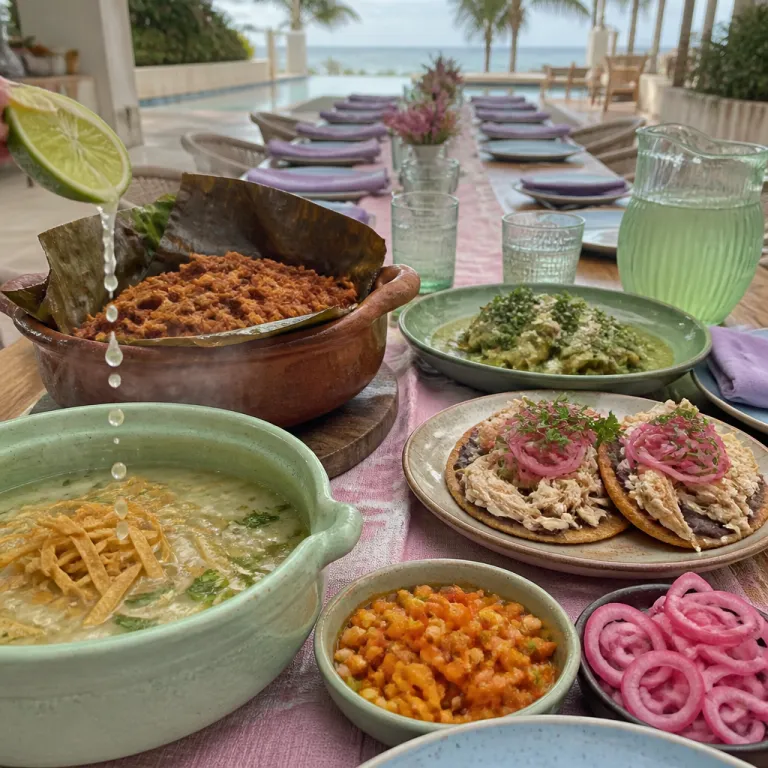
When a menu in Cancún finally goes beyond standard tacos, start with cochinita pibil, the slow roasted pork dish that defines Yucatecan food. Traditionally, cooks marinate cochinita in achiote and sour orange, wrap it in banana leaves, then cook it for hours in a pib underground oven until the meat collapses into silky strands. As one local explanation puts it, “A traditional Yucatecan dish of slow-roasted pork marinated in achiote and sour orange.”
Order cochinita pibil in taco form, ask for pibil tacos on fresh maize tortillas, or try it in panuchos salbutes, where tortillas are either stuffed with beans or puffed and fried before being crowned with meat and pickled onions. Families who like grilled flavors should look for poc chuc, a citrus marinated pork dish seared quickly over high heat, which often becomes the best bridge between familiar grilled meats and deeper Yucatecan cuisine. When you explore these foods Yucatán is famous for, you will find that even simple tacos become a masterclass in regional technique and sauce pairings.
Balance the richness with sopa de lima, a fragrant chicken soup brightened with local lime and crisp tortilla strips, or with papadzules, where tortillas cradle chopped egg under a velvety pumpkin seed sauce called sikil pak. Relleno negro, made with turkey or pork in an inky recado negro paste, looks intense but usually tastes gentler than it appears, especially when served with rice for children. If your resort offers a curated regional tasting menu as part of a reimagined dining program, similar to the way some properties are redefining hotel dining in Cancún through concepts like the end of the traditional all inclusive buffet, use that as a structured way to sample several of these classics in one elegant sitting.
The habanero hierarchy and how spice really works here
Many visitors arrive in Mexico wary of heat, yet the habanero hierarchy in Yucatán works differently from the jalapeño heavy cooking of central Mexican food. In Cancún and across the Yucatán Peninsula, the habanero chile is treated with respect, often served on the side as a finely chopped salsa so each person can calibrate their own spice level. That means families can comfortably explore yucatecan food in Cancún, because the base dishes usually lean toward citrus, smoke, and herbs rather than overwhelming fire.
At serious Yucatecan restaurants, you will find a small tray of sauces, from mild sikil pak made with toasted pumpkin seeds and tomato to sharper blends of sour orange, onion, and habanero. Start children with a dab of sikil pak on panuchos salbutes or simple tacos, then let adventurous adults add more intense sauces to cochinita, poc chuc, or longaniza de Valladolid, the smoky sausage from the colonial town of Valladolid. This approach turns the table into a tasting lab where everyone can explore foods Yucatán style without fear, adjusting each dish until it feels like their personal best version.
Luxury hotels that take yucatecan cuisine seriously brief their staff to guide guests through this spice ladder, explaining which sauce flatters sopa de lima and which belongs with grilled pork dish specialties. When you step outside the resort zone for dinner, especially to downtown Cancún or onward to Mérida, Valladolid, or Tulum, look for places where locals linger over their food rather than rushing through tourist platters. For late night cravings, pair your habanero education with a visit to the kind of taquería highlighted in guides to taco stands the hotel shuttle does not know, then compare those flavors with the subtler heat of Yucatecan pibil tacos the next day.
Where to eat Yucatecan in and around Cancún with kids
For families staying in Cancún’s Hotel Zone, the most reliable yucatecan food often lies a short taxi ride away in downtown, where local restaurants cook for residents rather than for passing cruise passengers. Around Mercado 28, you will find simple spots serving cochinita pibil by the kilo, panuchos salbutes hot from the comal, and bowls of sopa de lima that arrive steaming but gentle enough for children. Skip the laminated menus that lean heavily on generic Mexican foods and instead follow the lines of locals toward places where the daily specials board lists poc chuc, relleno negro, and longaniza de Valladolid.
Families with more time can plan day trips that combine culture and cuisine across the Yucatán Peninsula, using Cancún as a comfortable base. In Mérida, the region’s cultural capital, refined restaurants reinterpret classic Yucatecan cuisine with lighter sauces and elegant plating, while traditional cantinas still serve the same foods Yucatán grandmothers make at home. In Valladolid, look for grills perfuming the air with pork dish specialties and for stands selling chaya drinks, made from the local leafy green that appears in juices, tamales, and even some tacos.
One particularly rewarding route links Cancún with Izamal, where Restaurant Kinich, often referred to simply as restaurant Kinich, has become a reference point for travelers seeking the best traditional flavors. Here you can taste poc chuc, panuchos, and sikil pak in a leafy courtyard, then walk the yellow streets before returning to your Riviera Maya resort. For a deeper dive into logistics, from airport transfers to choosing the right property for food focused stays, consult insider resources such as this guide to a seamless luxury arrival in the region, then build your restaurant list around the neighborhoods you will actually explore.
How luxury hotels weave Yucatecan flavors into family stays
High end resorts in Cancún and along the Riviera Maya increasingly understand that guests want more than imported steaks and generic buffets. Some properties now collaborate with local farmers, traditional markets, and culinary schools to bring Yucatán ingredients such as chaya, sour orange, and recado pastes into their signature restaurants. When you evaluate a luxury hotel, read menus carefully and ask whether the chef offers dedicated Yucatecan food nights, tasting menus, or market to table experiences that highlight foods Yucatán style rather than just broad Mexican food clichés.
At their best, these programs turn the resort into a gentle introduction to yucatecan cuisine for families who might hesitate to dive straight into downtown eateries. Children can try cochinita pibil in slider form, taste sopa de lima in a small cup, or share panuchos salbutes as a snack by the pool, while adults explore more complex dishes such as relleno negro or longaniza de Valladolid with carefully paired wines. Some hotel groups in peninsula Mexico are also experimenting with fusing traditional pib cooking techniques and recado marinades with international presentations, reflecting a broader trend where Yucatán’s culinary heritage meets contemporary luxury dining.
When a concierge mentions partnerships with regional institutions in Mérida or cooking demonstrations led by chefs from Valladolid or Tulum, take that as a sign the property respects the depth of Yucatecan food culture. Ask whether any experiences include visits to local markets, where you will find piles of sour orange, chaya leaves, and the spices that give Yucatán Peninsula dishes their character. A resort that can explain why there are more than fifty recognized traditional Yucatecan dishes, and that treats them as a living tradition rather than a theme night, usually offers a richer, more trustworthy culinary program.
Cooking classes and market tours: bringing Yucatán flavors home
One of the most rewarding ways to engage with yucatecan food in Cancún is to cook it yourself under expert guidance. Several upscale hotels and independent schools now offer family friendly classes where you learn to prepare cochinita pibil, blend a proper sikil pak sauce, or assemble panuchos salbutes from scratch. These sessions often begin with a visit to a local market, where you will find chaya, sour orange, and the dried chiles that define Yucatán Peninsula flavors laid out in fragrant piles.
Look for programs that explain the historical layers behind each dish, from the Maya use of the pib oven to the Spanish introduction of pork and the Lebanese influence on marinades and grilling. A well structured class might have parents handling the hot comal while children tear herbs, taste different sauces, and help press tortillas for tacos or pibil tacos, turning culinary heritage into a shared family memory. When instructors reference how “A lime-flavored chicken soup garnished with crispy tortilla strips” becomes sopa de lima, or explain that “Fried tortillas stuffed with black beans and topped with various toppings” are known as panuchos, they connect the foods Yucatán locals eat every day with the plates on your resort table.
Back home, these recipes extend the life of your trip, allowing you to recreate a Mérida style pork dish or a Valladolid inspired salsa for friends. You will find that sourcing sour orange may require a blend of citrus, yet the spirit of Yucatán cuisine survives in the balance of smoke, acid, and gentle heat. For families who value experiences over souvenirs, investing a morning in a serious cooking class often proves as satisfying as any spa treatment or private excursion along the Riviera Maya coast.
FAQ
What makes Yucatecan cuisine different from other Mexican food ?
Yucatecan cuisine developed in relative isolation on the Yucatán Peninsula, so it relies heavily on recado spice pastes, sour orange marinades, and the pib underground oven. The flavors lean toward citrus, smoke, and herbs rather than heavy chile heat, and many dishes such as cochinita pibil, poc chuc, and relleno negro are rarely found in the same form elsewhere in Mexico. This combination of Mayan techniques, Spanish ingredients, and Lebanese influences gives Yucatán foods a distinct identity within Mexican food traditions.
Is cochinita pibil very spicy for children ?
Cochinita pibil is usually more tangy and aromatic than fiery, because the pork is marinated in achiote and sour orange rather than very hot chiles. In most Cancún restaurants, the heat comes from optional habanero sauces served on the side, so you can keep the meat mild for children and let adults add spice to taste. When in doubt, ask the server how they season their cochinita and request a less spicy portion for younger diners.
Where should I go in Cancún for authentic Yucatecan food ?
For the most authentic Yucatecan food in Cancún, focus on downtown rather than the Hotel Zone, especially around local markets and family run restaurants. Look for menus that highlight dishes such as sopa de lima, panuchos, salbutes, poc chuc, and relleno negro instead of only generic tacos and fajitas. Asking hotel staff where they personally eat cochinita pibil or longaniza de Valladolid on their days off is often the fastest way to find reliable, local focused spots.
Are there vegetarian friendly options in Yucatecan cuisine ?
While many classic Yucatecan dishes feature pork or turkey, there are several vegetarian friendly options, especially in markets and contemporary restaurants. Papadzules, some versions of sikil pak with vegetables, chaya based dishes, and simple panuchos or salbutes topped with beans, avocado, and cheese can all be meat free. In higher end hotels and Mérida or Valladolid restaurants, chefs increasingly adapt traditional recipes to accommodate vegetarian and vegan guests without losing the region’s characteristic flavors.
Can I learn to cook Yucatecan dishes during a short stay ?
Yes, many hotels and independent cooking schools in Cancún and nearby cities offer half day classes that fit easily into a short itinerary. These often include a brief market visit followed by hands on preparation of one or two dishes such as cochinita pibil, sopa de lima, or panuchos, making them ideal for families. Booking in advance through your concierge or directly with a reputable school ensures you join a small group with enough attention to learn techniques you can repeat at home.