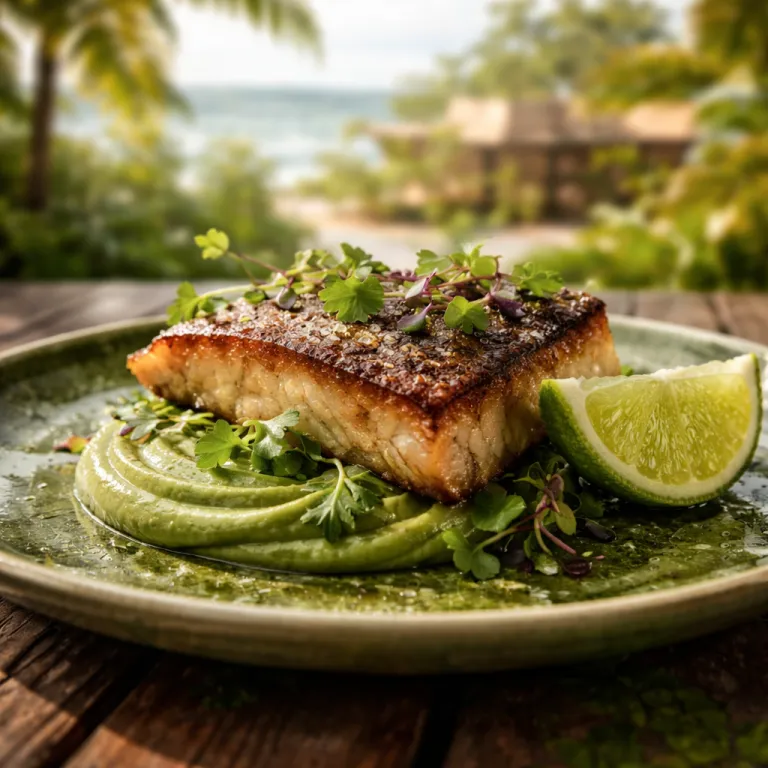
The end of the generic buffet: how Cancún rewrote the script
Cancún all inclusive dining has quietly outgrown the chafing dish era. Across the Hotel Zone and Riviera Cancun, resorts now treat food as the headline act rather than a background amenity, with chef led restaurants, tasting menus, and serious wine programs reshaping expectations. For couples planning a luxury stay, the question is no longer whether meals are unlimited but whether the cuisine feels worthy of the flight.
The scale of change is striking when you look at the numbers. Around Cancún, roughly 90 all inclusive resorts compete for attention, according to estimates from the local hotel association in recent market summaries, and the average property now runs about seven restaurants, a figure echoed in Travel Weekly’s coverage of resort development. These are directional industry statistics rather than a formal census, but they illustrate how density forces each hotel to refine its culinary identity instead of hiding behind one cavernous buffet. The shift has turned dining options into a primary filter for discerning guests, especially those who see a resort as their base for a day of cenotes, ruins, and late night bars rather than a self contained bubble.
Resorts have responded by elevating both international and local flavors. Most properties now weave Mexican, Italian, Japanese, and broader Asian influences into their lineups, often with a pan Latin twist that feels rooted rather than generic. When you evaluate Cancún all inclusive dining today, you are really judging how convincingly a resort can move from a casual taquería at noon to a gourmet pan Asian tasting menu by the hour when the Caribbean sky turns indigo.
This evolution is not just about more restaurants; it is about better service and sharper concepts. Professional chefs, modern kitchens, and partnerships with local suppliers have become standard tools, allowing resorts to offer sea to plate ceviche one day and refined Italian coastal dishes the next. At one luxury property, for example, a typical evening menu might pair Yucatán style octopus with a mezcal reduction, followed by handmade tagliatelle with local lobster and a dessert built around tropical fruit from nearby farms. The result is that unlimited food now signals range and quality, not just quantity, and couples can plan a three night stay around a sequence of lounges, bars, and restaurants that feel curated rather than repetitive.
For travelers, the practical implication is clear. When you compare luxury resorts, treat dining as seriously as you would the room category or spa, because the right mix of Mexican street food favorites, international tasting menus, and quiet cocktail lounges will shape every hour of your trip. Cancún’s all inclusive restaurant scene has become an experience in its own right, and the best properties now use cuisine to express a sense of place rather than to camouflage volume driven economics.
From buffet lines to chef tables: case studies reshaping Cancún
Look closely at specific properties and the new Cancún all inclusive dining model comes into focus. At Paradisus Cancún, the latest wave of venues reads like a city restaurant guide, with Vibra positioned as a gourmet hub, Kao leaning into Japanese technique, and Sal delivering an oceanfront steakhouse that finally treats the Caribbean horizon as part of the room design. This trio alone shows how a resort can use cuisine to segment the day, from relaxed lunches to late night tasting menus that feel genuinely special.
Elsewhere, the Marriott Cancún Resort has built a reputation on breadth handled with precision. Guests move between Japanese counters, Mexican grills, and Italian trattoria style rooms without feeling that any cuisine is an afterthought, which is the real test of international ambition in an all inclusive context. When a property can serve a well judged pan Asian noodle bowl at lunch and a focused Italian seafood dinner by the hour at sunset, you know the culinary équipe is thinking beyond volume.
Hilton Cancún pushes the idea of unlimited access even further, with around a dozen all inclusive dining options that stretch from casual poolside bars to more formal rooms. Here, the value lies in how the service teams manage flow across the day, steering guests toward quieter lounges for a pre dinner drink or suggesting a late night room service order when the restaurants wind down. The best all inclusive stays feel choreographed in this way, with every hour room decision about where to eat or drink supported by staff who know the property’s culinary rhythm.
Wyndham Alltra Cancún, with more than thirteen venues, shows another side of the trend. Its mix of buffets, grills, and à la carte rooms illustrates how a resort can keep the convenience of classic all inclusive dining while still carving out gourmet corners for couples who want one elevated dinner during a shorter stay. When you can walk from a relaxed Mexican snack bar to a quieter international restaurant without changing wristbands or worrying about extra charges, the promise of unlimited choice finally feels honest.
Across these properties, one pattern stands out. The most successful resorts treat each restaurant as a standalone address, with its own favorites, its own service style, and its own relationship to the sea or the city beyond the lobby. For travelers comparing Cancún all inclusive dining offers, this is the detail to interrogate, not how many options exist on paper but how convincingly each room, bar, and restaurant can anchor a different moment of your day.
Fine dining ambition meets all inclusive economics
The new Cancún all inclusive dining landscape is thrilling, but it is not simple to execute. Unlimited food and drink collide with the costs of gourmet ingredients, specialist chefs, and the kind of attentive service that luxury travelers quietly expect. The tension between spreadsheet and chef’s table is where the most interesting innovation now happens.
NIZUC Resort & Spa, named Gastronomic Hotel of the Year by the World Travel Awards, shows how a property can resolve that tension in its favor. By anchoring its identity in high level Mexican cuisine, refined pan Asian concepts, and carefully edited international menus, NIZUC turns every restaurant into a signature experience rather than a cost center to be minimized. When a resort wins awards for gastronomy in a region once caricatured for spring break bars, it signals that Cancún’s culinary credibility has shifted decisively.
Upcoming openings raise the stakes further. Park Hyatt Cancún is positioning culinary ambition as its primary differentiator, effectively telling guests that the restaurants, lounges, and bars will be as important as the suites and the spa. Grand Hyatt Cancún, planning around fourteen dining venues, is betting that couples will choose a stay based on how many distinct evenings they can have on property before even thinking about a day trip to Tulum or Isla Mujeres.
For resorts, the economic solution often lies in smart segmentation. Buffets remain for high volume breakfast service and family friendly lunches, while dinner pivots toward à la carte Mexican, Italian, and pan Asian rooms where reservations help control both cost and quality. In practice, many Cancún resort restaurants now use mixed systems: walk in access for early seatings, online or app based bookings for peak hours, and wait lists managed by text message. Some properties use tiered access, reserving the most intimate gourmet spaces or late night lounges for higher room categories, which can frustrate guests but also subsidizes more ambitious cuisine.
As a traveler, you should read the fine print of any Cancún all inclusive dining offer. Ask whether room service is genuinely included around the clock, whether there is a surcharge for certain international spirits at the bars, and how many restaurants operate each day rather than just in peak season. A concrete example: at one major resort, specialty restaurants require advance reservations and operate on a rotating schedule, while 24 hour room service is included but premium wines carry a supplement and some teppanyaki or chef’s table experiences add a per person fee. The most honest properties will share clear hour by hour schedules, explain which favorites require booking, and treat your questions as part of the luxury service rather than an inconvenience.
How to choose a resort when food is your love language
If you are a couple planning a food centered stay, you need to interrogate Cancún all inclusive dining promises with the same rigor you would apply to a city restaurant list. Start by mapping how you actually eat on holiday, from slow breakfasts to late night snacks, then match that rhythm to the resort’s hour by hour offerings. A property that looks generous on paper can feel thin if only a fraction of its options are open on any given day.
Next, look for depth rather than just breadth. A resort that offers Mexican, Italian, and Asian restaurants plus one serious pan Asian venue is more likely to satisfy than a property listing ten international concepts with no clear identity. When you see references to farm to table sourcing, sea to plate menus, and partnerships with local suppliers in resort descriptions or Hospitality Net style case studies, you are looking at a property that understands cuisine as part of place, not just as a cost of doing business.
Pay attention to how room categories intersect with culinary access. Some luxury suites include guaranteed reservations at the most sought after gourmet rooms, priority seating in lounges, or upgraded room service menus that turn your terrace into a private restaurant for an hour or two each evening. If you value privacy and quiet conversation, these details can matter more than an extra square metre of space or a marginally better view.
Think beyond the resort gates as well. Cancún’s best itineraries now weave hotel restaurants with off property experiences, from taco stands in downtown to a long lunch after a cenote swim or a day trip along the coast, and you can plan that arc using resources such as this guide on how far Tulum is from Cancún and how to turn the journey into a luxury escape. When your hotel’s concierge understands that you want both refined pan Asian dinners and smoky al pastor from a roadside stand, you know you are in the right place. That is the kind of service that turns a good stay into a trip you still talk about years later.
Finally, use the questions that seasoned travelers now ask as your checklist. “What types of cuisines are available at Cancun all-inclusive resorts?”, “Are reservations required for dining at these resorts?”, and “Do all-inclusive packages cover all meals and drinks?” are not just FAQ items; they are the backbone of a serious pre booking conversation. In a destination where about 95% of resorts serve some form of Mexican cuisine, a proportion frequently cited in Hospitality Net’s reporting on Mexican resort gastronomy, and many now layer in ambitious international concepts, the couples who ask precise questions about dining, access, and hour by hour operations are the ones who end up with the most rewarding luxury experiences.
Key figures behind Cancún’s new culinary era
- Cancún hosts around 90 all inclusive resorts, according to indicative counts shared by the Cancún Hotel Association in recent overviews, creating one of the densest luxury resort corridors in the Caribbean and intensifying competition around dining quality.
- The average resort now operates about seven restaurants, based on Travel Weekly reporting on new build and renovation projects, which pushes properties to differentiate with specific Mexican, Italian, Asian, and pan Asian concepts rather than relying on a single buffet.
- Approximately 95% of Cancún’s all inclusive resorts serve Mexican cuisine, as reported in Hospitality Net analyses of resort menus and culinary positioning, making regional dishes a near universal feature of the destination’s culinary identity.
- Leading properties such as Hilton Cancún and Wyndham Alltra Cancún each offer more than a dozen dining venues, illustrating how unlimited access to varied cuisine has become central to the modern all inclusive promise.
- Industry reports highlight a clear shift toward farm to table and sea to plate programs in Cancún, reflecting a global move away from generic buffets and toward more sustainable, locally anchored gastronomy.
Sources and further reading
- Cancún Hotel Association – data on resort numbers and market trends, including approximate counts of all inclusive properties.
- Travel Weekly – reporting on average restaurant counts, new resort openings, and the evolution of Cancún resort restaurants.
- Hospitality Net – analysis of cuisine offerings, prevalence of Mexican menus, and culinary positioning in Mexican all inclusive resorts.
- World Travel Awards – recognition of NIZUC Resort & Spa as Gastronomic Hotel of the Year and other accolades for Cancún all inclusive dining leaders.