Puerto Cancun’s marina district: where business trips turn into beach stays
Puerto Cancún sits where the zona hotelera finally meets the city. This roughly 800 acre peninsula, a figure cited in Puerto Cancún Development’s master plan, folds the Caribbean Sea on one side and the Nichupté Lagoon on the other, placing you between the classic hotel zone and downtown Cancún’s business core. For a traveler balancing meetings and a beach stay, that geography quietly changes everything.
The Nichupté Bridge, inaugurated in late 2023 according to Quintana Roo transport authorities, has shortened airport transfers to the marina district, cutting the long crawl through the hotel zone into a far cleaner drive. In normal traffic you reach Puerto Cancún’s resort marina in about 25–30 minutes from Cancún International Airport, then step straight into a walkable grid of restaurants, hotels and a full service marina town. It feels more like an urban waterfront quarter than a traditional Cancún resort strip.
Puerto Cancún Development and MIRA Companies master planned this district as a luxury marina community rather than a single resort. That means the hotels in Cancún here plug into a wider ecosystem of golf, shopping, dining and nautical activities instead of operating as isolated compounds. For business leisure travelers, the result is a Cancún hotel experience where you can walk from your room to a client dinner, then finish the night at a quiet bar overlooking the marina.
The core of Puerto Cancún is the Marina Town Center, a contemporary mall and promenade that anchors the waterfront. Here you find international brands, local designers and a cluster of Puerto Cancún restaurants that spill onto terraces facing the yachts. Unlike the linear hotel zone, you are not confined to one direction; you can loop from hotel marina to town center to beach club in a few minutes on foot.
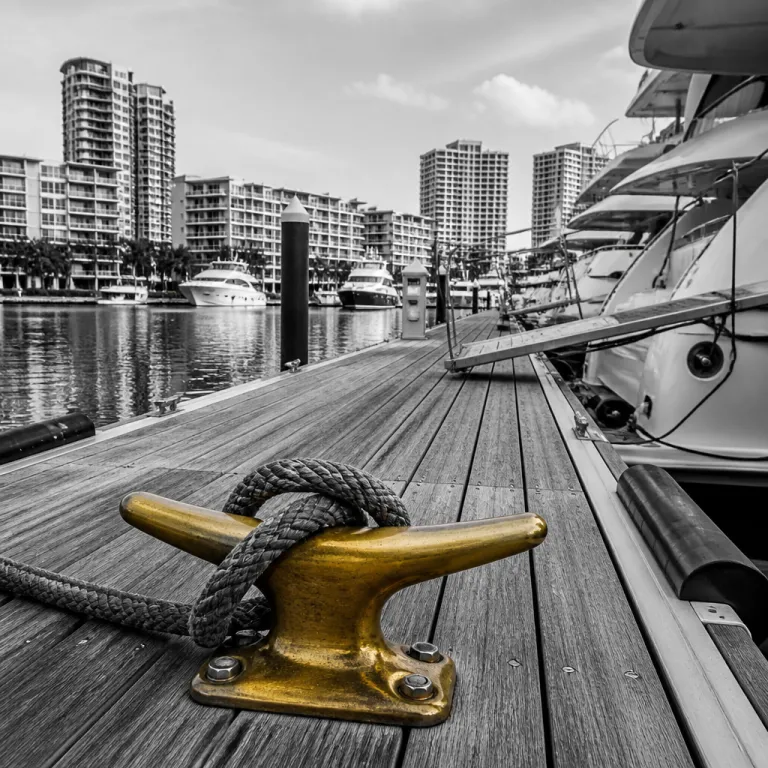
On the water side, the Cancún marina infrastructure is built for serious boat owners, with berths accommodating yachts up to around 45 meters, according to international marina directories. That scale brings in a different crowd than the typical hotel zone party catamarans, and it shapes the tone of the bars and restaurants along the docks. You are more likely to overhear a conversation about charter itineraries to Isla Mujeres than about the next pool party.
For context, Puerto Vallarta has long balanced city, marina and beach in a similar way, but Puerto Cancún does it with newer infrastructure and a sharper luxury focus. The development’s stated aim has been to elevate Cancún’s status as a high end residential and resort destination, and you feel that in the architecture and in the way public spaces are maintained. As one local hotel manager put it in a 2024 interview, “Puerto Cancún is still very much Cancún, but the energy is more Mediterranean marina than spring break hotel zone.”
Hotels, resorts and the coming Grand Hyatt era
The hotel pipeline in Puerto Cancún is what finally puts this marina district on the luxury map. For years, residential towers and the golf course led the story, while most travelers defaulted to a traditional hotel Cancún stay in the zona hotelera. That balance is shifting as larger brands commit to the area and new properties open.
The headline is the Grand Hyatt Puerto Cancún, announced with roughly 500 rooms and suites and a positioning that blends urban luxury with direct beach access. Developer timelines indicate an opening window in the mid 2020s, aligning with the broader build out of the marina district. No other Cancún resort district currently combines walkable dining, a full scale resort marina and a Caribbean beach in quite this way. Expect a design language closer to a city hotel with floor to ceiling glass and clean lines, rather than the palapa heavy style of older hotels Cancún built along the strip.
Alongside the Grand Hyatt, existing properties such as SLS Cancún have already tested the waters for a more residential, design forward approach. SLS Cancún leans into its marina town setting with a focus on pool culture, a stylish beach club and rooms that frame the water rather than the road. For guests used to a conventional Cancún hotel in the hotel zone, the difference in atmosphere is immediate.
Renaissance Cancún Resort & Marina has been another early signal of where this district is heading. As its name suggests, Renaissance Cancún sits directly on the marina, with many rooms facing the yachts and the Nichupté Lagoon instead of the open beach. It feels like an urban resort spa hybrid, with a lobby bar that could just as easily be in Mexico City’s Polanco as in hotelera Cancún.
When you compare room categories and prices between a resort in Puerto Cancún and a similar category in the hotel zone, you often find that marina view rooms are priced competitively with partial ocean views elsewhere. In recent high season snapshots, for example, a marina facing room at a Puerto Cancún hotel might sit around US$260–320 per night, versus US$280–350 for a comparable partial ocean view in the zona hotelera. That value equation matters for business travelers whose companies cap nightly rates but who still want a premium stay. It also appeals to couples who care more about a refined room and strong restaurants than about a mega pool with foam parties.
For travelers prioritizing sustainability credentials alongside design, it is worth cross checking any Puerto Cancún hotel choice against independent eco labels. Guides to eco certified hotels in Cancún help you understand what certifications like Biosphere actually mean for your stay. In a district being built almost from scratch, the opportunity for better energy systems and water management is real, and the more transparent hotels are about it, the better.
Puerto Cancun restaurants, bars and the marina town rhythm
The phrase “puerto cancun restaurants hotels marina” captures the core appeal here; you are staying in a place where dining, lodging and the waterfront are woven together. At Marina Town Center, Puerto Cancún restaurants line a broad boardwalk that feels more like a European marina town than a Caribbean resort. You stroll past Italian trattorias, Japanese counters, Mexican seafood grills and Argentine steakhouses, all within a few hundred meters.
One of the newest arrivals is Bodega Argentina, which opened in the mid 2020s and quickly became a favorite for long, late dinners after a day on the golf course. The dress code is relaxed but polished; think linen shirts, summer dresses and sandals that can handle the walk from hotel to restaurant. For business dinners, a light blazer works well, especially if you plan to move from a formal dining room to a more casual bar on the marina afterward.
Compared with the hotel zone’s strip mall clusters, the Puerto Cancún restaurant scene feels curated rather than crowded. Many hotels in Cancún along this marina encourage guests to dine out, knowing that the quality of nearby restaurants enhances the overall stay. That is a notable shift from the all inclusive Cancún resort model, where guests are often nudged to stay within the property’s own venues.
Bars along the marina tend to favor crafted cocktails and wine lists over yard long frozen drinks. You can sit at a low key bar with a view of the resort marina, watching crews prep yachts for early departures while a DJ keeps the volume at conversation level. For those who still want a louder scene, the hotel zone’s clubs are a short taxi ride away, but they no longer define the Cancún marina experience.
Families are not left out of this equation. Many restaurants offer kids menus, and some hotels integrate a kids club schedule with early dinner seatings so parents can enjoy a slower meal. When you read reviews of Puerto Cancún hotels, you will often see families praising the ability to walk to dinner rather than navigate shuttles or long taxi lines.
If you are planning a peak season trip, securing the right room category near the marina and your preferred restaurants requires some strategy. Resources that explain how to secure the right room before peak months fill up are particularly relevant here, because Puerto Cancún’s inventory is still smaller than the hotel zone’s. Booking early for marina view rooms or suites with easy access to the boardwalk can make the difference between a seamless stay and a compromised one.
Beach, pool and club life between city and sea
Puerto Cancún’s beach experience is more intimate than the long, continuous sand ribbon of the hotel zone. Here, stretches of beach are framed by residential towers, hotel plots and protected areas, creating smaller coves where beach clubs and resort pools take center stage. For travelers used to the endless promenade of hotelera Cancún, the scale feels more controlled and, frankly, more private.
Many of the hotels in this district lean into a layered approach to water. You might start the day at a quiet infinity pool facing the marina, then move to a livelier pool near the beach club with a DJ and light activities. By late afternoon, the energy often shifts back to the marina side, where sunset over the lagoon paints the sky behind the yachts.
Beach clubs in Puerto Cancún tend to operate as extensions of the hotels rather than as standalone party brands. Guests of a Cancún resort here often receive priority access to loungers and cabanas, with day passes available for outside visitors at transparent prices. This model keeps the atmosphere balanced; you get a social scene without the excesses that sometimes define the louder stretches of the hotel zone.
For families, the combination of pool, beach and kids club programming is a major draw. A well run kids club allows parents to slip away to the resort spa or a quiet bar while children join supervised activities ranging from crafts to beginner water sports. When you read family reviews of Puerto Cancún properties, you will see repeated praise for how easy it is to move between room, pool and beach without long internal transfers.
Active travelers will appreciate that Puerto Cancún’s layout encourages movement beyond the sun lounger. Jogging paths trace the marina and the golf course, and stand up paddleboards are a common sight on the calmer lagoon side. The contrast with Costa Mujeres, where resorts are more isolated and walking options are limited, is stark.
Compared with Puerto Vallarta’s older marina district, Puerto Cancún’s waterfront feels newer and more deliberately landscaped, with boardwalks, lighting and seating designed for evening strolls. You can finish a day at the beach with a slow walk past the resort marina, stopping at a bar for a final drink before heading back to your room. It is a rhythm that suits travelers who want the beach but do not want their entire stay defined by it.
Golf, activities and access to culture from Puerto Cancun
Beyond the marina and the beach, Puerto Cancún’s 18 hole Tom Fazio golf course is a serious asset for business leisure travelers. The par 72 layout threads between canals, mangroves and the Caribbean, putting a championship level course within a few minutes of most hotels. For executives extending a work trip, the ability to schedule an early tee time without a long transfer is a genuine advantage.
Course side rooms in nearby hotels often command a premium, but for golfers the view of fairways and water hazards can be as compelling as a classic ocean view. Packages that bundle green fees with room nights and resort spa credits are increasingly common in Puerto Cancún, reflecting the district’s push to attract a more active, experience driven guest. When comparing prices, look closely at what is included; a slightly higher nightly rate can represent strong value once golf and spa access are factored in.
On the water, the Cancún marina infrastructure supports everything from sport fishing charters to leisurely sunset cruises. Many hotels work with preferred operators, and concierge teams can arrange private outings that leave directly from the resort marina, minimizing transit time. For families, shorter boat trips that loop around the lagoon or out toward Isla Mujeres can be paired with kids club schedules to keep everyone happy.
Cultural access is another underappreciated strength of Puerto Cancún. Being closer to downtown than most hotel zone resorts means easier access to local restaurants, markets and the smaller museums that rarely make it into package brochures. It also places you within a short drive of the Mayan sites already inside Cancún, which are covered in depth in this guide to El Rey, El Meco and San Miguelito.
For day trips to larger archaeological sites such as Chichén Itzá or Tulum, Puerto Cancún’s position at the junction of the hotel zone and the highway network shaves time off early morning departures. You avoid the full length of the strip and connect more quickly to the main road south or west. That matters when you are trying to beat the tour bus crowds and the midday heat.
Evening activities often center on the Marina Town Center, where open air events, live music and seasonal markets animate the boardwalk. Compared with the neon heavy clubs of the hotel zone, the tone is more relaxed and more suited to mixed age groups. You can move from a family friendly performance to a quieter bar or back to your room without ever needing a taxi.
How Puerto Cancun compares to the Hotel Zone and Costa Mujeres
Choosing between Puerto Cancún, the classic hotel zone and Costa Mujeres comes down to how you like to structure your days. The hotel zone is still the archetypal Cancún resort strip, with dense lines of hotels, big name clubs and a beach that runs for kilometres. Costa Mujeres, about 20 minutes north, offers a quieter, more secluded set of resorts with fewer independent restaurants and almost no urban fabric.
Puerto Cancún sits between these two poles, both geographically and conceptually. You are minutes from downtown and only a short drive from the liveliest parts of the hotel zone, yet your immediate surroundings feel more like a self contained marina town. For travelers who want access to the action without living in the middle of it, that middle ground is compelling.
From a practical standpoint, the Nichupté Bridge has made Puerto Cancún one of the easiest districts to reach from the airport. Transfers that once required threading through hotelera Cancún can now bypass much of the congestion, which is particularly valuable during peak season. For business travelers catching early flights, those saved minutes translate into real sleep.
In terms of hotel product, the hotel zone still offers the widest range of all inclusive resorts, from entry level to ultra premium. Costa Mujeres leans heavily into large, self contained properties where guests rarely leave the grounds. Puerto Cancún, by contrast, is building a portfolio of hotels that expect guests to use the marina, the restaurants and the town center as extensions of the property.
That difference shows up in reviews. Guests who choose Puerto Cancún often highlight the ability to walk to dinner, to a bar or to a meeting without relying on shuttles, while still enjoying a proper beach and pool. Those who prefer the hotel zone usually prioritize a more intense nightlife scene and a wider choice of all inclusive packages.
As Puerto Cancún continues to grow, the presence of anchor hotels like Grand Hyatt and established names such as Renaissance Cancún and SLS Cancún will only deepen its identity as Cancún’s third luxury district. For travelers willing to look beyond the traditional hotel zone, the combination of marina, beach, golf and urban energy is hard to match. It is not just another Cancún resort cluster; it is a different way of staying in the city.
Key figures shaping Puerto Cancun’s marina district
- Puerto Cancún spans roughly 800 acres of master planned land, giving it far more room for integrated marina, golf and residential development than older, piecemeal districts in the city (data from Puerto Cancún Development’s official planning documents).
- The Tom Fazio designed golf course is a par 72 layout, aligning it with championship standards and making it suitable for serious golfers as well as corporate outings (course specifications published by Puerto Cancún’s official materials).
- The marina can accommodate yachts up to about 45 meters in length, placing it firmly in the superyacht capable category and attracting higher spending nautical tourism than smaller marinas along the coast (capacity data reported by international marina guides and brokerage listings).
- Puerto Cancún’s location between downtown and the hotel zone means transfer times from Cancún International Airport are typically shorter than to Costa Mujeres or the far end of the strip, especially since the opening of the Nichupté Bridge in 2023 (travel time comparisons reported by local transport operators).
- Development timelines show that major milestones, from MIRA Companies taking over the project in the early 2010s to the opening of new restaurants like Bodega Argentina in the mid 2020s, have steadily reinforced the district’s positioning as a luxury marina community rather than a single resort (project history summarized by Puerto Cancún’s development partners).
FAQ about Puerto Cancun’s marina, hotels and restaurants
What amenities does Puerto Cancun offer beyond the marina ?
Puerto Cancún offers a full service marina, an 18 hole Tom Fazio golf course, a contemporary shopping mall at Marina Town Center and a growing collection of luxury residences and hotels. Public areas include a waterfront boardwalk, beach access points and landscaped paths suitable for running or evening walks. This mix of amenities makes it feel more like a complete neighborhood than a single resort.
Is Puerto Cancun open to the public or only to residents and hotel guests ?
The marina district is open to the public, with unrestricted access to shopping, dining and the main boardwalk areas. While certain facilities such as hotel pools, beach clubs and some residential amenities are reserved for guests or owners, visitors can freely enter Marina Town Center and the surrounding promenade. This openness contributes to the lively yet controlled atmosphere around the waterfront.
How far is Puerto Cancun from the traditional Hotel Zone ?
Puerto Cancún sits at the northern gateway to the hotel zone, effectively bridging downtown and the strip. In practical terms, you are only a few minutes by car from the busier sections of the zona hotelera, depending on traffic. This proximity allows guests to dip into the classic Cancún nightlife and then return to a quieter marina environment.
Who is behind the development of Puerto Cancun’s marina district ?
The district was master planned by Puerto Cancún Development, with MIRA Companies later taking a leading role in repositioning it as a premier residential and resort destination. Public sector partners such as Fonatur have been involved in broader infrastructure and tourism planning. Together, these actors have focused on integrating marina facilities, golf, shopping and high end residences into a single coherent project.
What are the best things to do for a day visitor in Puerto Cancun ?
Day visitors can start with shopping and coffee at Marina Town Center, then walk the boardwalk to choose from several waterfront restaurants for lunch. In the afternoon, options include a boat excursion from the marina, a round of golf if pre booked or simply time at a public beach access point. Evening is ideal for a relaxed drink at a bar overlooking the yachts before heading back to the hotel zone or downtown.