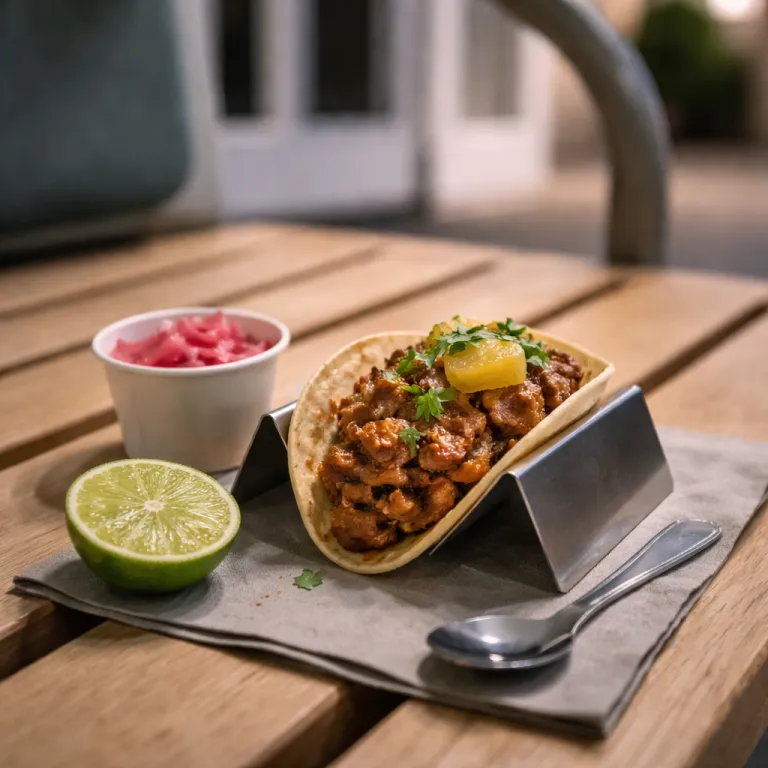
Street food in Cancún for luxury travelers who leave the resort
Street food in Cancún is where the city drops the resort smile and speaks plainly. For travelers used to polished hotel restaurants, the first walk from the Hotel Zone into downtown can feel like stepping from a curated gallery into the kitchen itself, with every taco stand, every cart, and every plume of smoke telling you something about real life in Cancún. If you care about cuisine as much as you care about thread count, this is where your trip finally starts to make sense.
The geography of Cancún’s curbside dining is simple on paper yet complex in flavor. The Hotel Zone, that long sandbar of luxury resorts, offers safe and polished interpretations of Mexican cuisine, but the most delicious and best taco experiences live inland, around downtown and especially Parque de las Palapas, often written as Las Palapas on maps and ride hailing apps. Here, the density of stands, carts, and tiny restaurants means you can walk less than 200 metres and move from cochinita pibil on soft tortillas to grilled poc chuc, then finish with a crisp marquesita filled with Nutella and queso de bola.
For guests booking premium suites, the question is not whether to eat from local stalls, but how to integrate it into a refined stay. Use your hotel concierge as a logistics ally, not a gatekeeper, and ask them to arrange a private transfer from the Hotel Zone to downtown Cancún rather than steering you only toward hotel restaurants that feel safe but predictable. With Uber or Cabify, the ride from most Cancún resorts to the Las Palapas area takes around 20 minutes, which is less time than you might spend reading online restaurant reviews on Google while wondering where to find a truly great taco.
Luxury travelers often worry about hygiene when they hear the phrase Mexican street food. That caution is healthy, yet the best stands in downtown operate with a discipline that would not look out of place in a high end restaurant kitchen, with high turnover, constant cleaning, and ingredients that move from grill to tortilla in seconds. The key is to follow the locals, choose a place where the line is mostly Mexican families and night shift workers, and avoid any street food stall where the food looks like it has been sitting under a light rather than sizzling on a plancha.
Think of this as a parallel tasting menu to your resort dining plan. One night you might enjoy a chef driven interpretation of Mexican cuisine in a fine dining restaurant, then the next you slip into a plastic chair in downtown Cancún and let a taquero carve al pastor from a glowing trompo, while cumbia plays and the air smells of grilled pineapple and charcoal. Both experiences belong in the same trip, and both say something different about the city’s layered relationship with food, luxury, and the street.
From hotel zone to downtown: mapping Cancún’s taco geography
Look at Cancún on a map and you will see two different cities. The Hotel Zone curves like a polished necklace along the Caribbean, lined with luxury properties whose restaurants can plate Mexican dishes with artful precision but rarely at the price of a street taco, while inland the grid of downtown holds the real concentration of taco stands and casual loncherías. For travelers staying in premium suites, understanding this geography is the first step toward eating well beyond the buffet.
In the Hotel Zone, you will find a few casual spots that nod toward Mexican street traditions, sometimes with tacos al pastor cooked on a small trompo near the bar. These can be a gentle introduction to Mexican street food for cautious stomachs, yet the best tacos and the most delicious cochinita pibil rarely live inside resort walls, because the rhythm of the cuisine depends on local crowds and constant turnover. Prices tell the story clearly, with tacos in hotel restaurants often costing between 15 and 25 United States dollars, while a taco in downtown Cancún typically costs between 15 and 30 Mexican pesos as of early 2024, which is a fraction of the price and often double the flavor.
Parque de las Palapas is the beating heart of Cancún’s informal food scene, especially in the evening when families, students, and workers converge on the square. Around Las Palapas, you will find clusters of taco stands, marquesita carts, and small restaurants that specialise in regional Mexican cuisine from across the country, including influences from Mexico City and the Yucatán Peninsula. This is the ideal place to start a self guided food tour, or to join an organised food tour that picks you up from your hotel and brings you back to the Hotel Zone once you have eaten your way through tacos, desserts, and aguas frescas.
For travelers who prefer structure, consider booking a private driver through your hotel concierge and planning a progressive evening. Start with tacos al pastor at a busy street corner near Las Palapas, move to a sit down restaurant for a plate of cochinita pibil with handmade tortillas, then finish with a walk through the square for marquesitas and late night people watching. If you are already exploring Cancún’s elevated dining scene, pair this with a reservation at one of the city’s leading independent restaurants, using a guide such as fine dining in Cancún when you leave the resort bracelet behind to balance street food nights with more formal evenings.
Late at night, the geography shifts slightly, and certain corners become magnets for hungry locals and travelers returning from bars. Stands like El Pastorcito in Cancún, near Avenida Tulum and Avenida Uxmal in the downtown area, are known among residents for their al pastor tacos carved from a well seasoned trompo and typically open until around 2:00 a.m., though exact hours can vary by season and day of the week. Treat any reference to closing times as approximate and follow current local advice from hotel staff or recent reviews when planning a late night visit.
What to order: al pastor, cochinita and the art of the taco
Once you have left the Hotel Zone and reached downtown, the next question is simple yet delicious. What should you actually order when you stand in front of a busy Mexican street taco stall, with the smell of grilled meat and the sound of metal spatulas hitting the plancha? The answer depends on your appetite, your curiosity, and how many nights you have in Cancún to explore its food.
Start with tacos al pastor, the unofficial emblem of Cancún’s night markets and a bridge between Lebanese shawarma traditions and Mexican creativity. Al pastor is marinated pork cooked on a vertical spit, served in tacos, and the best versions in downtown Cancún come with a thin slice of caramelised pineapple, finely chopped onion, cilantro, and a squeeze of lime, all on a small corn tortilla that you can eat in two or three bites. When you see a tall, evenly layered trompo with meat that looks moist rather than dry, and a taquero carving quickly for a line of local customers, you have probably found a great place to start.
Beyond al pastor, look for cochinita pibil, the slow roasted pork dish that defines much of Yucatán’s traditional cuisine. In Cancún, cochinita pibil often appears both in tacos and in tortas, the Mexican sandwiches served on soft rolls, and the best versions are stained a deep orange from achiote and citrus, with pickled red onions on top to cut through the richness. Ask whether the restaurant or stand also serves poc chuc, a grilled pork dish marinated in sour orange, which offers a different texture and a lighter profile than the more unctuous cochinita.
Many stands in downtown also serve cuts that are more associated with Mexico City style taquerías, such as suadero, carnitas, and longaniza. This is where an evening of Cancún street eats can turn into a miniature food tour of Mexico, with each taco representing a different region and technique, from the confit like texture of carnitas to the snappy spice of longaniza sausage. If you are unsure, order one taco of each style rather than committing to a full plate, because part of the experience is tasting widely and then returning to your personal best later in the night.
Luxury travelers who care about ingredients will appreciate how transparent the process is at a good Mexican street stand. You can see the meat on the grill, the salsas in their bowls, and the tortillas warming on the edge of the plancha, which offers a different kind of open kitchen experience than you might find in a resort restaurant. As Cancún’s high end properties move away from the old model of anonymous buffets, a trend explored in depth in guides to how Cancún’s resorts are redefining hotel dining, the street remains the most direct expression of Mexican cuisine, where every taco is made to order and every bite reflects the city’s layered identity.
Marquesitas, late nights and how to read a taco stand
Street food in Cancún is not only about savory tacos and slow cooked pork. As the evening deepens around Las Palapas and other corners of downtown, the air fills with the sweet smell of marquesitas, the Yucatán dessert that many resort guests never taste because it rarely appears on hotel menus. Think of a marquesita as a crisp rolled crêpe, cooked on a hot iron, then filled with combinations like Nutella and grated Edam cheese, which sounds unlikely yet tastes perfectly balanced.
Watching a marquesita being made is part of the experience, especially if you have spent the day in the controlled environment of a luxury hotel zone property. The vendor spreads the batter, waits for it to crisp, then works quickly to add fillings before rolling it into a long cylinder that you eat like an ice cream cone, often while walking back through downtown Cancún toward your car or taxi. For many travelers, this becomes the final ritual of a street food night, a sweet counterpoint to the salt and spice of tacos al pastor and cochinita pibil.
Choosing the right stand is a skill, and it matters as much as choosing the right restaurant for a tasting menu. Look for high turnover, which means a constant flow of local customers and ingredients that do not sit long, and pay attention to how the team handles money and food, ideally with one person cooking and another taking payment to keep things clean. A great taco stand in Cancún will usually have a visible trompo for al pastor, a clean griddle for other meats, and salsas that are replenished frequently rather than drying out on the counter.
Late at night, especially after midnight, the energy shifts and certain stands become anchors for the city’s nocturnal life. As one taquero near Avenida Yaxchilán likes to say, “Después de las doce, todos tenemos hambre igual” — after midnight, everyone is hungry in the same way — and this is exactly what you will see around places like El Pastorcito, where the line might include hotel staff finishing a shift, taxi drivers, and a few curious travelers who have slipped away from the Hotel Zone. These stands often stay open until the early morning, making them ideal for a final stop after a bar or a late arrival flight.
For guests used to curated hotel experiences, this kind of downtown taco crawl can feel like a different city entirely. Yet it complements the wellness and relaxation side of a luxury stay, much like a visit to a temazcal or a quiet infinity pool, themes explored in guides to Cancún’s wellness spectrum from temazcal to infinity pool. You might spend the day in the spa and the night under fluorescent lights at a taco stand, and both moments will stay with you long after the resort bracelet has been cut off and the suitcase is back in your closet.
Practical tips: safety, stomach and booking around your taco nights
Planning a luxury stay in Cancún while making room for street food requires a little strategy. When you book your hotel, think about how many evenings you want to dedicate to downtown, then avoid overloading your schedule with fixed tasting menus or events that make changing dates difficult if you fall in love with a particular taco stand. Flexibility is your friend, especially when you realise that the best al pastor you have ever tasted is served at one in the morning on a corner your hotel shuttle driver has never mentioned.
Safety around Mexican street food in Cancún is mostly about common sense and choosing the right place at the right time. Stick to busy, well lit areas like Las Palapas and main downtown streets, use Uber or Cabify rather than walking long distances late at night, and trust your instincts if a stand looks unusually quiet or unclean compared with its neighbours. For your stomach, start slowly on the first night, avoid raw garnishes if you are very sensitive, and drink bottled water or sealed soft drinks rather than ice heavy cocktails from unknown sources.
From a booking perspective, many luxury travelers now manage their itineraries through digital calendars and hotel apps. When you plan a food tour focused on Cancún’s taco stalls and snack carts, use your calendar select tools to block out generous windows for dinner, allowing time for traffic between the Hotel Zone and downtown and for wandering between stands once you arrive. If you are the kind of traveler who lives by keyboard shortcuts, you might even smile at how the digital world of shortcuts changing appointments and the physical world of changing dates for dinner reservations intersect over something as simple as a taco.
Some hotel booking engines now include small interface hints like a mark key or a question mark icon next to flexible rate options, which can be useful if you want the freedom to press question on whether to dine in the resort or head into Cancún for tacos and marquesitas. When you interact with these tools, think of them as ways to protect your ability to select press on spontaneous evenings, because the most memorable meals often happen when you follow the smell of grilled meat rather than a fixed plan. In practice, this might mean choosing a cancellable rate for one or two nights so you can adjust your schedule if a local recommends a late night stand that only really comes alive after midnight.
Finally, remember that even in a city as connected as Cancún, not every great taco stand appears at the top of Google search results. Ask hotel staff where they eat on their nights off, look for clusters of locals around a particular restaurant or cart, and treat every street corner as a potential lead in your own informal food tour of Mexican cuisine. With a little curiosity and a willingness to step beyond the Hotel Zone, you will find that the most delicious and best tacos in Cancún often come from places that no algorithm, shuttle route, or glossy brochure has fully mapped yet.
How luxury hotels can frame your street food nights
High end hotels in Cancún are increasingly aware that their guests want more than polished dining rooms. Many concierges now curate informal maps of downtown, highlighting trusted taco stands, cochinita pibil specialists, and dessert carts near Las Palapas, then arranging private transfers so guests can enjoy local food culture without worrying about logistics. This shift reflects a broader change in how luxury travelers think about Mexican cuisine, valuing authenticity and local connection as much as presentation.
When you choose a property, pay attention to how the team talks about food outside the hotel zone. A concierge who can name specific restaurants and street corners in downtown Cancún, and who understands the difference between Mexico City style tacos and Yucatán regional dishes, is more likely to help you build a memorable evening than one who only recommends in house options. Ask whether the hotel can arrange a guided food tour that balances street food with sit down stops, or whether they can coordinate with local experts who know which stands are best on particular nights.
Some luxury travelers prefer to keep their evenings unstructured, using ride hailing apps to move between the Hotel Zone and Cancún’s downtown on their own schedule. In that case, your hotel can still add value by offering practical advice on which areas feel comfortable late at night, how to handle cash for street food, and what to look for in a clean, well run stand. A thoughtful front desk team might even keep a small list of current favourites, updated as new places open and as long standing restaurants evolve, which is more useful than any static guide.
From the hotel’s perspective, embracing Cancún’s taco culture as part of the guest experience does not threaten their own restaurants. Instead, it positions the property as a gateway to the wider city, much like how a well designed spa connects guests to local wellness traditions rather than competing with them. Guests who spend one night eating tacos al pastor under neon lights are often more appreciative of a calm breakfast on the terrace the next morning, and more likely to see their stay as a complete, layered experience rather than a sealed resort bubble.
For you as a traveler, the goal is to let these worlds complement each other. Use the comfort and service of your hotel as a base, then step into the streets of downtown Cancún for the kind of food that can only be cooked on a corner, on a griddle, by someone who has been making the same taco for years. When you return to your room, the scent of grilled meat still on your clothes, you will understand why the best stories from Cancún often start not in a lobby, but at a stand the hotel shuttle does not know.
FAQ
Is late night street food in Cancún safe for travelers from luxury hotels ?
Late night Mexican street food in Cancún is generally safe if you choose busy, well lit areas and follow local crowds. Stick to stands in downtown around Las Palapas or other central streets, use official taxis or ride hailing services from the Hotel Zone, and avoid isolated corners. If a stand looks clean, has high turnover, and is popular with local families, it is usually a good choice.
What should I look for to identify a good taco stand in Cancún ?
A great taco stand in Cancún will have a steady line of local customers, a clean work surface, and fresh ingredients that move quickly from grill to tortilla. Look for a well maintained trompo for al pastor, salsas that are replenished often, and a clear separation between handling money and handling food. If the stand feels organised and the food looks vibrant rather than tired, you are likely in the right place.
Are tacos from street stands very different from those in hotel restaurants ?
Yes, tacos from Cancún’s street vendors usually focus on simplicity, speed, and intense flavour, while hotel restaurants often present more elaborate versions with higher prices. On the street, you might pay 15 to 30 pesos for a taco al pastor or cochinita pibil, compared with 15 to 25 United States dollars for a plated taco dish in a resort. Both have their place, but the street offers a more direct expression of Mexican cuisine and local life.
Can I join an organised food tour that starts from the Hotel Zone ?
Several operators run food tours that pick up guests from luxury hotels in the Hotel Zone and drive them into downtown Cancún for an evening of tacos, cochinita pibil, and desserts around Las Palapas. These tours are useful if you prefer a guided experience with curated stops and explanations of each dish. Ask your concierge to recommend a reputable company that focuses on authentic Mexican street food rather than tourist only restaurants.
What if I have a sensitive stomach but still want to try street food ?
If your stomach is sensitive, start with cooked items like tacos al pastor or cochinita pibil from busy stands, and avoid raw toppings or very spicy salsas on the first night. Drink bottled beverages, wash your hands or use sanitiser before eating, and do not over order in one sitting. Many travelers find that easing into Cancún’s street food over several evenings lets them enjoy the flavours without discomfort.