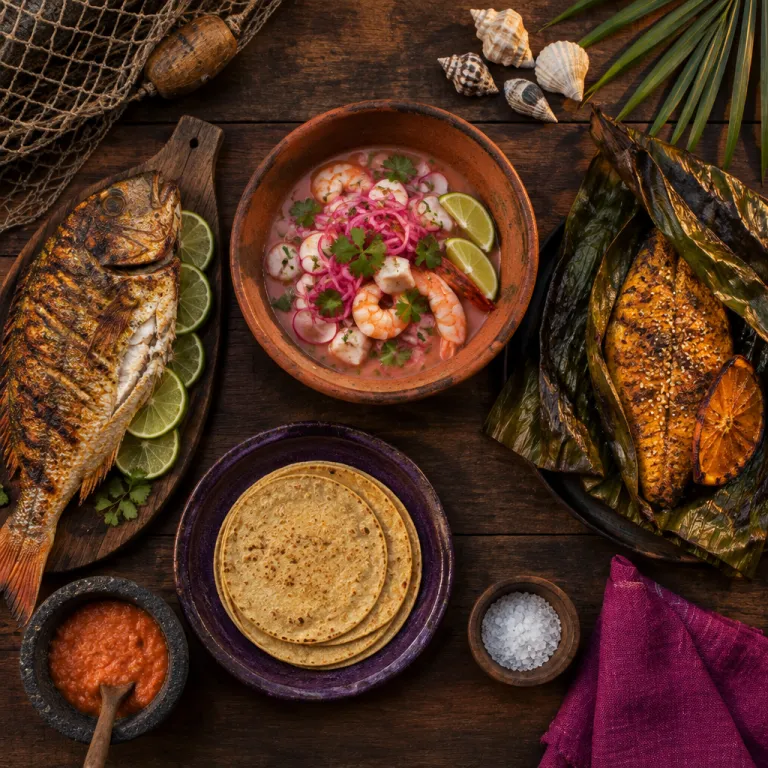
Cancun seafood ceviche as the signature taste of the coast
Before you choose a luxury hotel in Cancun, understand that Cancun seafood ceviche is not just a dish, it is the coastline on a plate. The best ceviche in Cancun respects the fishing village roots, using just caught fish, raw yet gently transformed by citrus into something bright, clean and quietly luxurious. When a hotel restaurant gets ceviche right, you feel the sea breeze, the sun and the reef in every bite.
At its core, classic ceviche is simple: pristine seafood, lime juice, salt and time. The citrus “cooks” the raw fish, tightening the texture while keeping it tender, and a good chef will balance acidity so the flavors stay layered rather than harsh. In high end resorts, ceviche recipes often add avocado, finely diced vegetables and a restrained spicy note, but the soul of the plate still depends on how fresh the seafood is when it reaches your table.
When you read a hotel menu, look for clear mentions of the catch of the day in their ceviche, not vague “white fish” descriptions. A serious kitchen will name local species such as mero (grouper), robalo (snook) or huachinango (red snapper), and the ceviche works best when the fish has never seen a freezer. If the ceviche arrives icy cold, with a glossy citrus sauce clinging to each cube and a clean ocean aroma, you are in the right dining room.
Luxury properties along the Hotel Zone now treat ceviche as a signature welcome, sometimes serving a miniature ceviche cocktail at check in or during sunset drinks. This kind of ceviche cocktail usually layers marinated seafood with avocado and cilantro in a small glass, letting you taste different textures in one elegant sauce serving. When a hotel invests this much care in a small ceviche serving, it signals that the rest of the seafood program will likely meet the same standard.
Couples planning a romantic stay should pay attention to how a property talks about its ceviche and other raw preparations. A menu that highlights the recipe, the origin of the fish and the balance of citrus and spicy elements usually belongs to a chef led kitchen rather than a generic resort outlet. That level of detail will matter even more when you move beyond ceviche into deeper Yucatecan seafood traditions.
Tikin xic, aguachile and the Yucatecan seafood canon
Once you have tasted excellent Cancun seafood ceviche, use it as a benchmark for the rest of the Yucatecan seafood canon. Tikin xic, for example, is almost the opposite of ceviche, taking a whole fish and bathing it in a brick red achiote sauce before wrapping it in banana leaves and grilling it slowly. Where ceviche is bright, raw and citrus driven, tikin xic is smoky, hot from the coals and deeply marinated, with flavors that linger longer on the palate.
Aguachile sits somewhere between the two, a Pacific style dish that Cancun chefs have adopted and refined for luxury travelers. Here, raw shrimp or fish bathe in a vivid green sauce of lime, cilantro and chile, creating a more spicy and direct heat than most ceviche recipes. The texture is looser, almost like a chilled seafood soup, and when aguachile is done well it will wake up your appetite for a long lunch by the sea.
In serious hotel kitchens, you will often see ceviche, aguachile and tikin xic sharing space on the same menu. This is where you can judge how ceviche works as part of a broader seafood philosophy rather than a token dish for tourists. Ask your server which fish is best that day for each preparation, because a firm fleshed catch might shine in tikin xic while a more delicate fillet belongs in ceviche or aguachile.
For couples leaving the resort bracelet behind, independent marisquerías in downtown Cancun offer another lens on these classics. Many of these spots serve generous ceviche cocktails in tall glasses, with plenty of avocado, vegetables and a punchy tomato based sauce that feels more casual than hotel versions. When you compare these plates with the polished ceviche at your resort, you will start to understand how different contexts shape the same seafood traditions.
If you plan your days around meals, consider anchoring one afternoon with a long seafood lunch that moves from ceviche to tikin xic and then to grilled octopus or whole fish. This progression lets you experience raw, marinated and cooked textures in one sitting, each with its own balance of citrus, spicy heat and smoke. For deeper restaurant ideas beyond your property, explore this guide to fine dining in Cancun when you leave the resort bracelet behind, which highlights where local chefs push these traditions forward.
Beachfront palapas vs. polished hotel dining rooms
Choosing where to eat your Cancun seafood ceviche shapes the entire mood of your stay. Under a beachfront palapa, you might sit with bare feet in the sand, sharing a large plate of ceviche while the fish that starred in your lunch still glints in the fishermen’s coolers nearby. In a polished hotel dining room, the same fish arrives on hand thrown ceramics, with micro herbs, precise sauce dots and a sommelier ready to pair it with mineral driven white wine.
Palapa style marisquerías excel at immediacy and scale, often serving ceviche in generous portions meant for two or more. The ceviche here usually leans rustic, with chunky cuts of fish, plenty of vegetables, bold citrus and a more assertive spicy kick from habanero or jalapeño. You will often find a tomato chile sauce on the side, letting you adjust the heat and texture of each bite as you go.
Luxury hotel restaurants, by contrast, focus on refinement and consistency. Their ceviche recipes might feature smaller, more delicate cuts of seafood, carefully balanced citrus and a silky avocado purée or foam to soften the acidity. In these settings, ceviche works as a composed starter, with each element from the marinated fish to the cilantro oil placed with intention.
Neither approach is inherently best, and the most rewarding trips weave both into the itinerary. Spend one afternoon at a palapa where the ceviche arrives in a chilled metal bowl, then book a tasting menu where the chef reimagines ceviche as a multi course journey. As Cancun’s dining scene evolves beyond buffets, many resorts now embrace this duality, a shift explored in depth in this analysis of how Cancun’s resorts are redefining hotel dining beyond the all inclusive buffet.
For couples, the choice often comes down to atmosphere and how you like to spend your days. A palapa lunch pairs beautifully with a lazy beach afternoon and a late swim, while a formal ceviche course in a fine dining room suits a dressed up evening with cocktails and live music. Plan for both, and your memories of Cancun seafood ceviche will feel as layered as the coastline itself.
How to judge freshness, order well and think seasonally
When you sit down to order Cancun seafood ceviche, freshness is the first non negotiable. Look around the restaurant for signs of a serious seafood operation, such as a daily catch board, whole fish on ice and staff who can explain where the fish was caught. A kitchen that respects the sea will be transparent about species, fishing grounds and how long the catch has been out of the water.
On the plate, fresh ceviche should smell like the ocean, not like fish. The texture of the marinated cubes will feel firm yet yielding, never mushy or fibrous, and the citrus sauce should look clear rather than cloudy. If the ceviche arrives swimming in liquid with dull flavors and a tired appearance, you are better off ordering something cooked instead.
Seasonality matters on this coast, even if menus do not always spell it out. Species such as grouper, snapper and lionfish appear at different strengths throughout the year, and a good chef will steer you toward what is best that week. When you ask what ceviche works particularly well that day, listen for confident answers rather than vague reassurances.
Ordering well also means understanding how long ceviche should marinate. In most luxury kitchens, fish spends no longer than 15 to 20 minutes in citrus before service, which keeps the texture supple and the flavors bright. If ceviche sits for much longer, the fish can turn chalky and the sauce loses its clean edge.
Pay attention to garnishes and accompaniments, because they tell you how the kitchen thinks. Crisp tostadas, thoughtfully seasoned vegetables and a balanced house sauce for extra heat show that the chef cares about the full ceviche experience. When a property extends that same care to other seafood dishes, you can confidently build entire meals around the catch of the day.
Sustainability, sourcing and why your choices matter
Every plate of Cancun seafood ceviche carries a story about the reef, the fishermen and the hotels that buy their catch. This stretch of Caribbean coast depends on healthy fish populations and coral systems, so the way luxury properties source seafood has real consequences. As a guest, your choices and questions can nudge the industry toward more responsible habits.
Start by asking whether the fish in your ceviche comes from local small scale fisheries or large industrial suppliers. Many high end resorts now partner with cooperatives that use selective gear, which reduces bycatch and protects juvenile fish, and these relationships often result in better texture and fresher flavors on the plate. When ceviche works with responsibly caught species such as lionfish, it even helps control invasive populations that threaten the reef.
Sustainability also touches how much of the fish is used and how menus are designed. Kitchens that highlight the catch of the day can adapt recipes to what is abundant, rather than insisting on the same species year round, which eases pressure on vulnerable stocks. In these restaurants, you might see ceviche one night, tikin xic the next and a grilled collar special after that, all from the same fish.
As you compare properties on a booking site, look for mentions of sustainable seafood programs, partnerships with local cooperatives or certifications from respected organizations. A hotel that invests in traceable sourcing usually applies the same rigor to food safety, staff training and overall culinary standards, which will benefit every ceviche, sauce and seafood cocktail you order. Over the longer arc of your travels, consistently choosing such places helps keep this coastline’s fishing culture alive.
Responsible dining does not mean sacrificing pleasure. In fact, ceviche made from truly fresh, well handled fish has a sweetness and clean finish that industrial seafood rarely matches, especially when paired with bright citrus, fragrant cilantro and ripe avocado. When you taste that difference in a quiet beachfront restaurant, you will understand why sustainability belongs at the center of any serious conversation about eating on this coast.
Designing a long, seafood led day in Cancun
One of the most rewarding ways to experience Cancun seafood ceviche is to build an entire day around it. Start with a light breakfast at your hotel, then head out for a morning swim or a visit to nearby ruins, keeping lunch as the focal point rather than an afterthought. This slower rhythm suits couples who want romance, conversation and time to savor the coastline’s flavors.
Plan your main meal for early afternoon, when the sun is high and the sea breeze feels like a natural air conditioner. Begin with a shared ceviche, perhaps followed by aguachile or a ceviche cocktail, then move into tikin xic or another grilled fish as a centerpiece. The contrast between raw, marinated and cooked textures will keep the meal engaging without feeling heavy.
Pairing matters, and not only in terms of wine or cocktails. A crisp Mexican lager, a tart margarita or even a chilled coconut water can all work with ceviche, as long as they do not overpower the citrus and spicy notes in the sauce. If you enjoy wine, look for mineral driven whites or dry rosés that echo the freshness of the seafood.
After such a lunch, the rest of the day should unfold gently. A shaded lounger, a book and perhaps a second swim will let the meal settle, and you will likely find that you need only a light evening snack rather than a full dinner. This pattern also aligns with how many locals eat seafood, treating midday as the main culinary event.
To make logistics smoother, especially on arrival day, consider using this practical guide from stay in Cancun on getting from the Cancun airport customs hall to your hotel lobby without stress. When the transfer is handled, you can focus on choosing the right property, one where ceviche, tikin xic and the catch of the day are treated as essential parts of the guest experience. That way, every long lunch becomes a highlight rather than just another resort meal.
Reading hotel menus and reviews like a seafood insider
When you browse a luxury booking site, the way a hotel talks about Cancun seafood ceviche can reveal more than any star rating. Look for menus that specify fish species, mention marinated preparations and describe the balance of citrus, cilantro and vegetables rather than generic “seafood salad” language. Properties that highlight ceviche as a signature dish usually invest in better sourcing, training and kitchen talent.
Pay attention to how many raw or lightly marinated items appear on the menu. A restaurant confident in its supply chain will offer several ceviche variations, perhaps a classic white fish version, a mixed seafood option and a vegetarian riff that mimics ceviche texture with hearts of palm or mushrooms. When ceviche works across multiple recipes, it signals a chef who understands both technique and local taste.
Guest reviews can also help you read between the lines. Repeated praise for “the best ceviche of our trip” or detailed comments about the sauce, the freshness of the fish and the balance of spicy heat suggest consistent execution rather than one lucky plate. On the other hand, mentions of rubbery texture, bland flavors or heavy handed sauce serving are red flags.
As you compare options, consider how the seafood program fits into the overall culinary identity. A hotel that treats ceviche, tikin xic and the catch of the day as central pillars of its dining narrative will usually offer more thoughtful breakfast, room service and bar menus as well. Over a longer stay, that coherence matters, because it keeps each meal feeling intentional rather than repetitive.
For couples who care about food, choosing a property with a strong ceviche game is not a minor detail. It shapes lazy lunches, sunset snacks and even how you remember the scent of the sea when you return home. When the first thing you want to talk about after your trip is the ceviche, you will know you picked the right hotel.
Key figures on Cancun seafood and coastal dining
- According to Mexico’s National Commission of Aquaculture and Fisheries, the state of Quintana Roo lands more than 20,000 tonnes of seafood annually, with a significant share consumed in coastal tourism hubs such as Cancun, underscoring how central the catch of the day is to local hospitality.
- Data from the World Wildlife Fund indicate that reef associated species can represent up to 25 percent of small scale fisheries value in parts of the Mesoamerican Barrier Reef region, which includes Cancun, highlighting why sustainable sourcing for ceviche and tikin xic matters economically as well as ecologically.
- Surveys by Mexico’s tourism authorities have shown that food experiences rank among the top three decision factors for international visitors choosing beach destinations, meaning that strong ceviche and seafood programs can directly influence hotel bookings in Cancun.
- Research on invasive lionfish in the Caribbean, published by regional marine institutes, notes that targeted fishing and restaurant demand can significantly reduce local lionfish densities, so ordering lionfish ceviche or grilled lionfish in Cancun can contribute to reef protection.
FAQ about ceviche, tikin xic and eating in Cancun
Is it safe to eat raw fish ceviche in Cancun hotels ?
In reputable luxury and premium hotels, ceviche made from raw fish is generally safe because kitchens follow strict hygiene and cold chain standards. Choose properties that emphasize fresh, local seafood and ask staff when the fish was delivered and prepared. If you have a sensitive stomach, start with a small portion and avoid ceviche at buffets where temperature control is harder to guarantee.
What is the difference between ceviche and aguachile in Cancun ?
Ceviche in Cancun usually features diced fish or mixed seafood marinated in citrus for a short time, often with tomato, onion, cilantro and avocado. Aguachile tends to use thinner slices of shrimp or fish in a more liquid, chile forward green sauce, with the seafood spending less time in the marinade. The result is that aguachile feels spicier and more direct, while ceviche offers a rounder, slightly more mellow acidity.
Where should couples go for the best tikin xic experience ?
For tikin xic, look for restaurants that cook whole fish over charcoal or wood, ideally near the water where turnover is high. Many beach clubs and traditional marisquerías in the Cancun area specialize in this dish, serving it family style with tortillas and simple sides. In luxury hotels, ask whether the kitchen can prepare tikin xic to share, as some fine dining venues offer refined versions with carefully sourced local fish.
How can I tell if the seafood in my hotel is sustainably sourced ?
Signs of sustainable sourcing include clear information about where fish comes from, mention of local cooperatives and flexibility in the species used for ceviche and other dishes. You can ask staff whether the hotel follows any recognized sustainability guidelines or works with organizations focused on responsible seafood. Properties that highlight seasonal catches and lesser known species such as lionfish are often more engaged with sustainability than those that rely on imported, year round staples.
What is the ideal drink pairing with Cancun seafood ceviche ?
Bright, high acid drinks pair best with Cancun seafood ceviche, because they echo the citrus in the marinade without overwhelming the fish. Dry white wines, crisp Mexican lagers, classic margaritas and even non alcoholic options like sparkling water with lime all work well. Avoid very sweet cocktails or heavy, oaky wines, which can clash with the delicate flavors and clean texture of the ceviche.