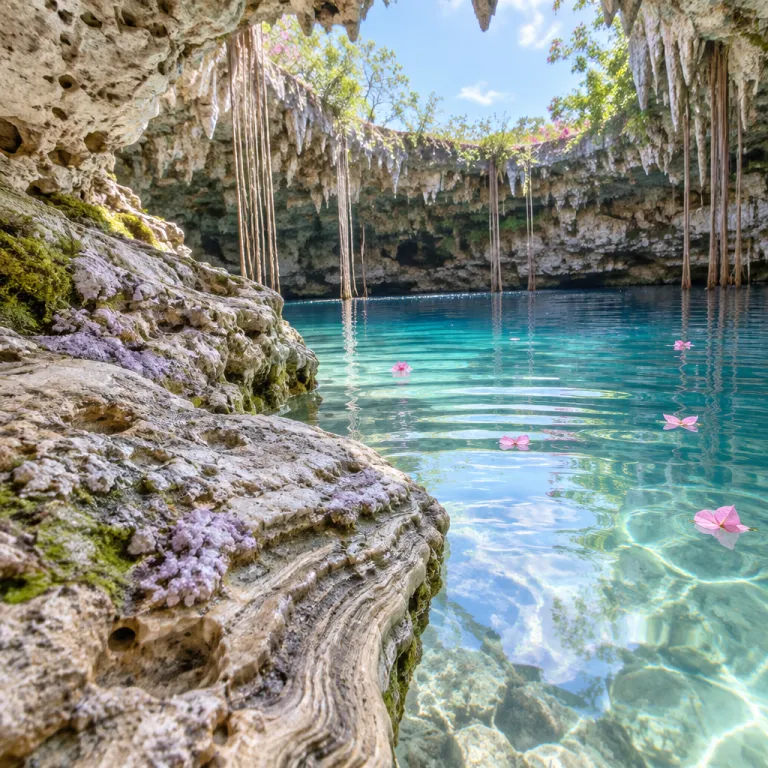
Why cenote diving near Cancun belongs on your luxury itinerary
From a high floor suite in Cancun, the Caribbean looks endlessly inviting. Yet the most hauntingly clear water lies inland, where each cenote forms a limestone window into the peninsula’s flooded veins. On a single day you can leave a polished lobby, drive past jungle scrub and arrive at a quiet cenote cavern where shafts of light slice through freshwater and not a single resort bracelet is in sight.
For luxury travelers, cenote cave diving near Cancun is less about adrenaline and more about a controlled, meditative dive through still water. You move slowly through an underwater cathedral, guided by a cavern diving specialist who understands both the geology and the limits of an open water diver. The experience feels curated in the best sense, with private transport, premium scuba gear and timing that avoids the busiest dives from larger groups.
Base yourself in Cancun’s Hotel Zone or along the Riviera Maya if cenote diving is a priority. From these areas, operators can arrange tailored cavern tours that match your scuba diving level, whether you hold a recent discover scuba card or an advanced open water certification. When you book cenote excursions through a high end hotel concierge, clarify that you want small groups, a maximum depth appropriate to your training and a guide who is certified for cavern and, where relevant, full cave routes.
Cavern versus cave: what open water divers can safely do
The first distinction every diver must understand is the line between cavern diving and true cave diving. Cavern routes stay within the natural light zone of the cenote cavern, keep you relatively close to the open water surface and follow a permanent guideline that leads back to the entrance. Cave routes leave that light behind, penetrate deeper into the system and are reserved for divers with specific full cave training and redundant gear.
If you hold an open water diver certification, you are typically eligible for guided cavern dives in many cenotes near Cancun and Playa del Carmen. These dives feel adventurous, but they are structured so that you always have a visible exit, controlled max depth and a guide who manages the pace and spacing of divers. Advanced open water divers may be offered slightly longer cavern tours with more complex swim throughs, but they still remain in the cavern zone rather than in technical cave passages.
True cave diving in the Riviera Maya is a different discipline, and luxury travelers should treat it with the same respect they would give to heli skiing or high altitude mountaineering. Only divers with full cave certification, extensive experience in overhead environments and specialized cenote scuba configurations should enter those sections. When you book cenote experiences through a hotel or operator that advertises diving Cancun packages, confirm in writing that your plan is for cavern diving only unless you already hold the appropriate cave credentials.
Families staying at large resorts such as Moon Palace The Grand often split activities between cenote diving for certified divers and more relaxed options for others. If you are planning a multi activity day, you can pair a morning cavern dive with an afternoon at a resort water park that offers a different kind of aquatic adventure, such as the standout family water park experience at Moon Palace The Grand. This balance lets one traveler pursue underwater exploration while others enjoy slides, lazy rivers and poolside service without leaving Cancun.
What you actually see underwater in Cancun’s cenotes
The first time you step down into a shaded cenote, the water looks almost unreal. From the surface it appears dark, but once you begin your dive, the beam of your light reveals suspended clarity and delicate mineral formations. As you move into the cenote cavern, your eyes adjust and you notice how each ray of light from the open entrance paints the underwater space differently.
Many cenotes near Cancun and Playa del Carmen feature a halocline, the shimmering boundary where fresh water from the jungle meets denser salt water from the coast. When divers pass through this layer, the view blurs for a moment, then clears again as you settle into either the fresh or salt zone. Experienced guides will brief you on this effect before the dive so you understand that the temporary distortion is physical, not a problem with your mask or eyes.
Sites such as Dos Ojos, located between Playa del Carmen and Tulum, are famous for their long cavern tours and dramatic light shows. In the right season and at the right time of day, a single shaft of light can pierce the cenote diving area like a spotlight, illuminating stalactites, columns and the fine silt that hangs motionless in the water. While diving cenotes in this region, you may also see tree roots reaching down through the limestone, tiny fish hovering in the glow and the silhouettes of other divers framed against the open water entrance.
Not every traveler in your party needs to be a diver to appreciate these formations. Many cenotes offer snorkel friendly platforms and calm surface areas where non divers can float above the cavern entrance and watch the light play across the rock. For those who want an ocean alternative without a scuba license, consider a half day at Cancun’s underwater sculpture garden, where snorkeling at the MUSA underwater gallery offers an open water art experience that complements a cenote day.
Choosing the right operator, guide and gear from Cancun
From a luxury hotel perspective, the most important decision is not which cenote you visit, but which operator you trust with your dive. Reputable companies running diving Cancun programs will limit group sizes, match cenotes to your certification level and provide high quality gear that is properly maintained. When you book cenote excursions through a concierge, ask specifically which partner they use and whether the guides hold recognized cavern and cave credentials.
For a first cenote diving day, look for operators that cap groups at four divers per guide in the cavern. This ratio allows the guide to monitor buoyancy, spacing and air consumption while still managing the guideline and navigation through the cenote cavern. Confirm that your guide carries redundant lights, a safety reel and emergency equipment, even though you will remain in the cavern zone rather than in full cave passages.
Gear matters more in this environment than on a typical reef dive, because the overhead and still water amplify any issues. Ensure your rental scuba gear includes a well fitting wetsuit appropriate for the cooler freshwater, a reliable primary light and a backup, and fins that give you enough control to avoid stirring up silt. Many divers who are used to warm Caribbean open water are surprised by the temperature drop in cenotes, so plan for a thicker suit than you might wear on a shallow reef dive.
If you are staying at a property that emphasizes wellness and digital balance, cenote scuba can pair well with a quieter stay focused on reconnection. Some travelers combine a cenote focused trip with a retreat style hotel that encourages guests to unplug from screens, such as those highlighted in this guide to digital detox friendly hotels in Cancun. In that context, the slow, controlled rhythm of cavern diving becomes part of a broader experience of stepping away from constant notifications and into a more elemental relationship with water and light.
What your cenote diving day actually feels like
A typical cenote diving day from Cancun starts early, with a pickup from your hotel lobby and a drive of 60 to 120 minutes toward the Riviera Maya. Your guide will brief you on the specific cenotes you will visit, the planned max depth for each dive and the order of the route through the cavern. Expect to complete two dives, with a surface interval on site where you can warm up, hydrate and walk around the jungle surroundings.
Water temperatures in most cenotes hover around 24 to 26 degrees Celsius, noticeably cooler than the sea, so even experienced divers often choose a 5 mm wetsuit with a hooded vest. Buoyancy control feels different in this still freshwater, and your guide will likely ask you to practice gentle frog kicks to avoid disturbing the fine silt that carpets the cave floor. The pace is slow, with long pauses where the group hovers motionless while beams of light shift and other divers pass through the open water entrance above.
For travelers who have only done discover scuba experiences in pools or shallow reefs, cenote diving can feel like a significant step up in both responsibility and reward. Operators may require at least an open water certification before taking you into a cenote cavern, and some will ask for recent dives logged in your book to confirm currency. If you are not yet a certified diver, consider planning a separate trip to complete your open water diver course in Cancun or Playa del Carmen before adding cenotes to your list.
Non divers in your group still have options on a cenote day, from guided snorkeling in the open sections to simply relaxing on shaded platforms while others explore underwater. Some sites near Playa del Carmen and along the Riviera Maya also offer zip lines, jungle walks or casual cafés, turning the outing into a broader nature excursion rather than a dive only mission. With thoughtful planning, a cenote focused day can satisfy both serious divers and companions who prefer to stay closer to the surface.
Who cenote diving is for, and when to choose alternatives
Cenote cavern diving near Cancun suits confident, calm divers who are comfortable in overhead environments and willing to move slowly. If you enjoy the meditative side of scuba, where each breath and fin movement is deliberate, you will likely appreciate the rhythm of these dives. Those who prefer fast drift dives, big animals or constant motion may find a day in the still water of a cave system less compelling.
Luxury travelers who value privacy and atmosphere often find cenotes more appealing than crowded reef sites, especially when they book private cavern tours. A dedicated guide can tailor the route, choose less visited cenotes and adjust the timing so that your dives avoid the busiest windows. This approach works particularly well for experienced advanced open water divers who want to focus on photography, buoyancy refinement or simply the quiet of an underwater cathedral.
Cenote diving is not ideal for anyone with strong claustrophobia, anxiety in low light or difficulty maintaining buoyancy. In those cases, consider staying with open water reef dives off Cancun or Playa del Carmen, where you can enjoy coral, turtles and gentle currents without an overhead. Snorkel only visits to cenotes, or ocean based experiences such as reef snorkeling and underwater art parks, offer a way to engage with the region’s water without entering a cavern.
For families or groups with mixed comfort levels, a balanced itinerary might include one cenote day for the divers, one reef day in the open Caribbean and one non diving day focused on spa, gastronomy or cultural visits. Cancun and the Riviera Maya are well suited to this kind of varied program, with high end hotels able to coordinate transport, timing and guides across different activities. When planned thoughtfully, cenote cave diving near Cancun becomes not just an isolated thrill, but a central thread in a wider, well paced journey.
FAQ
Do I need a special certification to dive in cenotes near Cancun ?
For guided cavern diving in cenotes near Cancun, most operators require at least an open water diver certification from a recognized agency. Advanced open water certification can expand your options, but true cave diving beyond the light zone demands full cave training and technical equipment. Always confirm with your chosen operator which cenotes match your current level before you book.
Are cenote dives safe for first time cavern divers ?
Cenote cavern dives can be safe for first timers when conducted with reputable operators, small groups and guides trained specifically in cavern environments. Safety depends on staying within the light zone, respecting the planned max depth, following the guideline and maintaining good buoyancy to avoid silt outs. If you feel unsure, start with an easier cenote and a private guide so the pace matches your comfort.
How cold is the water in Cancun’s cenotes, and what wetsuit should I wear ?
Most cenotes in the Cancun and Riviera Maya region maintain water temperatures around 24 to 26 degrees Celsius year round. Many divers who are comfortable in a 3 mm suit on the reef prefer a 5 mm suit, sometimes with a hooded vest, for two or more cenote dives in a day. If you tend to get cold easily, discuss thicker rental options with your operator when you book cenote excursions.
Can non divers enjoy a cenote day trip from Cancun ?
Non divers can absolutely enjoy cenote visits, especially at sites with easy access, platforms and clear open water areas for snorkeling. Many operators offer mixed trips where certified divers explore the cavern while others swim, snorkel or relax in shaded areas near the entrance. For guests who prefer the ocean, reef snorkeling or visits to underwater sculpture parks near Cancun provide alternative underwater experiences without scuba.
Which cenotes near Cancun are best for photography and light beams ?
Cenotes between Cancun and Tulum, including well known systems such as Dos Ojos near Playa del Carmen, are popular with photographers for their dramatic light shafts and clear water. The best conditions for visible beams usually occur when the sun is high and the water is calm, so mid day dives often deliver the strongest effects. A knowledgeable guide can suggest specific cenotes and timings that suit your photography goals while still matching your certification level.