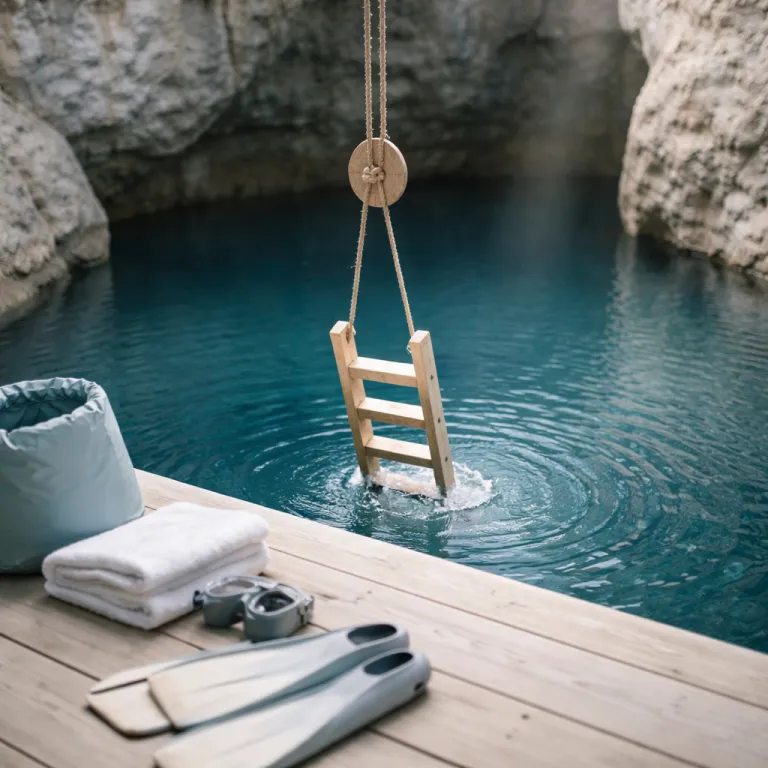
Quiet cenotes near Cancún from your hotel: how to choose your base
Luxury travelers often arrive in Cancún expecting only resort pools, yet the quiet cenote is the real private plunge. The smartest guests use premium hotels as elegant launch pads for tranquil cenote experiences near Cancún, planning each day around light, crowds, and the rhythm of the Yucatán Peninsula rather than buffet times. When you book, think less about the bracelet and more about how quickly you can reach crystal clear water where almost nobody else is swimming.
From the Hotel Zone, cenotes near Puerto Morelos such as Cenote Azul and Cenote Kin Ha (sometimes called Cenote Jaguar in older guides) sit about 25 to 35 km away along Highway 307, close enough for a relaxed half day between spa appointments. In normal traffic, that means a 30 to 45 minute drive by private transfer or rental car. Both offer open cenote settings with clear water and basic facilities, which suits travelers who prefer a natural environment over manicured resort landscaping but still want a predictable, safe swimming experience. A cenote visit from Cancún by private transfer lets you time your arrival before the tour buses, creating that elusive deep silence you will never find at a main pool bar.
High end properties in Cancún and along the Riviera Maya increasingly understand that cenote visits are a core reason guests choose the Yucatán over other Caribbean coasts. Concierges at major resorts can arrange tailored routes, from cenotes Tulum day trips to more ambitious itineraries that link Chichén Itzá, Valladolid, and the quieter cenotes Valladolid circuit in a single curated ruta. When you evaluate a luxury hotel, ask specifically about low-crowd cenote options, private guides, and whether they can coordinate early entrance timings rather than only selling standard group excursions; properties with dedicated experience desks or in-house destination specialists usually provide the most flexible support.
Light, silence, and timing: a swimmer’s guide to four very different cenotes
For open air swimming with families, Cenote Azul near Puerto Morelos offers broad platforms, shallow shelves, and water so clear you can see every limestone detail. It sits just off Highway 307 at roughly kilometer marker 266, with a short access road and on-site parking. Official opening is usually around 8:00, and arriving between 8:00 and 9:00, when the sun first hits the surface and the only sounds are birds and the soft splash of early swimmers, gives you the calmest conditions. Plan to leave by late morning so you can be back in your Cancún suite before the midday heat pushes more visitors out of town. This is where a quiet cenote day begins for many guests, because the pool feels like an extension of a resort but with jungle instead of loungers.
A little farther along the highway, Cenote Kin Ha rewards those who value solitude over facilities, with simple changing areas and a more secluded feel. The main pool here is significantly deeper than Azul, with sections over 10 meters, and life jackets are strongly recommended for less confident swimmers. By late afternoon the surrounding trees cast dramatic shadows that make every swimming stroke feel like a private ritual. Typical entrance fees at both Azul and Kin Ha range from about 150 to 350 MXN per person as of 2024, payable in cash; posted prices at the gate are the most reliable reference. Luxury travelers who are used to curated experiences in Rockport Maine hotels or other coastal retreats will appreciate how this cenote offers the same calm, but with vines, limestone, and the occasional iguana instead of sailboats.
For travelers willing to go beyond Cancún, the classic circuit of los cenotes around Tulum and Valladolid offers contrasting moods. Gran Cenote and Dos Ojos near Tulum are spectacular but rarely quiet after mid morning, so a serious swimmer should aim for the first entrance slot of the day, typically 8:00 or 9:00, to enjoy cave sections with minimal echoing voices and clearer visibility. Around Valladolid, cenote Zací in town and the famous cenote Suytun on the ring road can still feel serene if you arrive as they open, usually around 9:00, while other cenotes on the outskirts offer more space, fewer pesos per person, and a stronger sense of the Yucatán Peninsula’s rural rhythm; many of these pools reach depths of 15 to 30 meters, so staying within roped-off areas is an important safety habit.
From Cancún suites to cenote caves: routes, logistics, and what to bring
Planning a cenote-focused day from a luxury hotel in Cancún starts with choosing how independent you want to be. Personal vehicles and private drivers give you full control over timing, which is crucial if you want calm water instead of sharing the space with large groups. Guided tours, including structured eco park style experiences such as Xenotes by Xcaret, trade solitude for convenience and are better suited to travelers who prefer everything pre arranged, from pick up times to life jackets; most reputable operators include certified guides, basic first aid kits, and clear safety briefings before you enter the water.
The classic ruta through the Yucatán links Cancún, Valladolid, and Mérida, with side trips to Chichén Itzá and the cenotes that dot the surrounding countryside. Many travelers follow a ruta Los Cenotes near Homún and Santa Bárbara on the way toward Mérida, where multiple cenotes sit along a single track and you can choose between open pools and more enclosed cave systems. Driving from Cancún to Valladolid takes about two hours via the 180D toll road, and Valladolid to Mérida adds another two, with fuel stations and basic services at regular intervals. In this region, expect simple but adequate facilities, modest entrance fees in pesos per person, and the chance to swim in water that feels far removed from the resort scene.
Cenote planning checklist: Pack swimwear, a light rash guard, water shoes for uneven limestone, and a quick-dry towel. Add a dry bag for your phone or underwater camera, plus 300 to 600 MXN in cash per person to cover entrances, parking, and small snacks where cards are not accepted. Many cenotes prohibit sunscreen to protect the crystal clear water, so apply reef safe products at least 30 minutes before you arrive or plan to rinse thoroughly in on site showers. Confirm opening hours with your hotel concierge the night before, aim to arrive within the first hour of operation, and let reception know your approximate route and return time if you are driving independently.
Cenotes, ruins, and refined escapes beyond the tour bus circuit
Some of the most memorable quiet moments in cenotes near Cancún happen when you pair swimming with culture, then return to a hotel that understands both. A classic example is combining Chichén Itzá with a stop at a nearby cenote, timing your temple visit for opening hours, usually 8:00, and your swim for early afternoon when the heat peaks. Ik Kil and other famous spots near Chichén Itzá can be crowded between late morning and mid afternoon, so a discerning traveler might instead choose a less publicized cenote deep in the countryside, trading Instagram friendly platforms for genuine silence and a more contemplative atmosphere.
Valladolid makes an excellent overnight base for exploring cenotes Valladolid and cenote Zací, while still being within reach of Cancún’s premium properties for your final nights. From here, you can design your own ruta Los Cenotes toward Homún and Santa Bárbara, stopping at cenote Suytun early in the day for that iconic light beam before continuing to quieter pools where only a few locals are swimming. Many of these cenotes offer basic facilities and simple entrance structures, yet the water quality rivals anything closer to Cancún, with crystal clear shafts that reveal every submerged rock and occasional small fish moving through the beams of light.
Back on the coast, cenotes Tulum such as Gran Cenote and Dos Ojos pair well with a refined beachfront stay, especially if you are already considering a sophisticated celebration at a property known for curated experiences. While planning, you can look at detailed resort focused guides such as the analysis of refined Caribbean celebrations at a major Cancún property to understand how hotels integrate cenote excursions into wedding or event programs. The key is to ask for private or small group options, ideally with flexible departure times that allow you to reach the water before the first big buses arrive from Cancún, and to confirm whether your chosen cenote has lifeguards on duty or requires mandatory life jacket use.
Etiquette, conservation, and where to eat between swims
Respecting cenotes as sacred geological formations is non negotiable for responsible luxury travelers. A cenote is a natural sinkhole filled with freshwater, formed by collapsed limestone, and local communities often view these spaces as spiritually significant as well as practical water sources. When you enter, move quietly, avoid loud music, and treat the cave walls and tree roots with the same care you would show to a sculpture in a gallery; never carve initials, stand on fragile formations, or pull on hanging roots for balance.
Many operators now emphasize eco friendly practices, and the most refined hotels in Cancún align their recommendations with these standards. You will often see clear signage explaining that “Yes, most are safe; always follow local guidelines.” and “Use eco-friendly sunscreen.” because even small amounts of product can affect the delicate balance that keeps the water crystal clear. Basic facilities such as showers, changing rooms, and simple platforms are there to manage impact, so use them thoughtfully and avoid leaving any trace of your visit beyond wet footprints; if trash bins are full, pack your waste out rather than leaving it on site.
Between swims, skip the highway buffets and seek out small comedores in villages near Valladolid, Homún, or along the road to Mérida, where you can eat cochinita pibil or fresh tortillas while your hair still smells of limestone and jungle. These stops rarely appear on tour itineraries, yet they transform a quiet cenote outing into a full day of Yucatán Peninsula culture, especially when you chat with owners about which pool they prefer on a hot day. For travelers who appreciate refined coastal dining in other destinations, such as premium stays with strong food programs, this combination of swimming, respectful etiquette, and local kitchens offers a similarly curated experience, just with hammocks and horchata instead of white tablecloths.
FAQ
What exactly is a cenote and why is the water so clear ?
A cenote is a natural sinkhole where the limestone ceiling has collapsed, exposing groundwater that has been filtered through rock for centuries. This slow filtration creates the crystal clear water that makes cenotes near Cancún, Tulum, and Valladolid so appealing for swimming. The clarity also means any pollution is immediately visible, which is why eco friendly behavior is essential and why many sites insist on showering before you enter the pool.
Are cenotes near Cancún safe for swimming if I travel alone ?
Most cenotes around Cancún are safe for solo travelers, provided you choose managed sites with lifeguards, life jackets, and clear safety rules. Follow posted guidance, avoid alcohol before swimming, and stay within designated areas, especially in cave sections or deeper zones. If you are nervous, start with open pools such as Cenote Azul, where visibility and access are straightforward, and let your hotel concierge or tour operator know your plans so someone expects your return.
Do I need to book cenote visits in advance from my hotel ?
For independent plans, advance booking is rarely required, and you can usually pay a modest fee in pesos per person on arrival. However, if you want a private driver, a tailored ruta Los Cenotes, or a combined Chichén Itzá and cenote day from Cancún, arranging through your hotel concierge is wise. High end properties often work with trusted local operators who understand both safety standards and the quietest times to swim, and they can confirm current entrance fees and any temporary closures.
What facilities should I expect at quieter cenotes ?
Quieter cenotes on the Yucatán Peninsula typically offer basic facilities such as simple toilets, outdoor showers, and rustic changing areas. Platforms, ladders, and ropes are common, but you should not expect spa level amenities unless you are visiting a cenote integrated into a resort or eco park. Bringing your own towel, water shoes, and dry bag will make the experience more comfortable without relying on on site services, and carrying a small first aid kit is sensible if you plan to explore several pools in one day.
Is snorkeling gear available for rent at cenotes near Cancún ?
Some cenotes close to Cancún and Tulum rent masks, snorkels, and life jackets, especially at more developed sites on the main tourist routes. However, quality and availability vary, so frequent swimmers often bring their own gear from their hotel or from home. If underwater visibility is a priority for you, personal equipment ensures a better fit and a more hygienic experience, and you can ask your concierge to confirm rental options at specific cenotes before you set out.